 Success Stories: Overcoming Alcoholism with Antabuse
Real-life Stories: Triumphs over Alcohol Addiction
John's struggle with alcoholism seemed insurmountable until he discovered Antabuse, a medication that was like an elixir for his sobriety. His first days on the medication were a battle, facing cravings and emotional hangovers, but he was resolute. With every challenge met, John felt the support from his family, which was crucial in rebuilding his life. His story isn't just about overcoming addiction; it's about the strength found in supportive systems and the transformative power of the right Rx.
| Success Metric | Before Antabuse | After Antabuse |
|---|---|---|
| Days Sober | 0 | 365+ |
| Relapses | Frequent | Minimal |
| Support System | Weak | Strong |
Understanding Antabuse: How It Supports Recovery
Antabuse, also known as disulfiram, is a prescription medication designed to support those determined to break free from alcohol dependency. This compound medication works by inducing extremely unpleasant reactions when alcohol is consumed, deterring individuals from drinking. When someone undergoing treatment drinks alcohol, Antabuse initiates symptoms such as nausea, vomiting, and headaches, which serve as a psychological and physical deterrent. By positioning itself as a pharmacological barrier, Antabuse does not eradicate the craving for alcohol but helps individuals resist the temptation.
The process of recovery with Antabuse involves more than just taking pills. It integrates a comprehensive approach that includes medication adherence, counseling, and strong support systems. Patients may require a 'hard copy' prescription and should closely follow the 'sig' on the script, ensuring proper use. It's crucial to remember that the success of this treatment is highly reliant on personal commitment and a robust support network, which helps in navigating the journey to sustained sobriety.
Personal Challenges: Confronting Alcohol Dependency
Confronting alcohol dependency is an intensely personal journey fraught with hurdles. Emotional triggers, social pressures, and deeply ingrained habits can all act as formidable barriers to sobriety. Many find that combining therapy with Antabuse proves invaluable. Antabuse blocks the breakdown of alcohol in the body, leading to unpleasant reactions if one drinks. But getting the "script" and adhering to the "sig" can present their own set of challenges. Battling through withdrawal symptoms and resisting the lure of a "Pharm Party" requires immense resilience.
Antabuse Success: Transformative Journeys to Sobriety
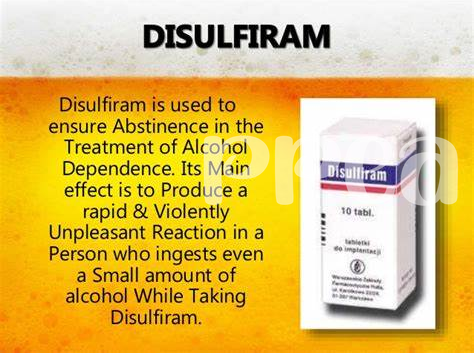
John's journey to sobriety took a pivotal turn once he was prescribed Antabuse, an integral part of his recovery script. This medication became more than just a compound; it was his lifeline amid personal struggles. Initially, John faced the daunting challenge of resisting the urge, often battling 'white coat anxiety' during prescriptions refills. However, the transformative power of Antabuse, combined with unwavering support, led him from count and pour sessions to celebrating months of sobriety. His story is a testament to the profound impact this medication can have.
The Role of Support Systems in Recovery
Support systems play an invaluable role in the recovery process, providing a safety net and emotional anchor for individuals fighting alcohol dependence. When used alongside Antabuse, these networks—comprising family, friends, healthcare providers, and support groups—offer the encouragement necessary for individuals to adhere to their treatment scripts. This combination fosters an environment where individuals can thrive, minimizing the danger of relapses.
Antabuse treatment, while effective, is bolstered by the consistent support of these dedicated groups. Friends and family act as embodiments of hope and motivation, curbing the 'Junkie's Itch' for relapse while offering emotional solace. Healthcare workers monitor progress and adjust sigs as needed, ensuring the journey to sobriety remains on track. Support groups provide a non-judgmental space to candidly share experiences and candidly tackle challenges.
Crucially, these support systems create a sense of accountability and shared purpose that compels individuals to stay on their recovery path. They transform the seemingly insurmountable task of overcoming alcoholism into a series of attainable goals, striding stat towards a life of sobriety. These layered support structures underscore that recovery is a collaborative process, significantly enhanced by the involvement and encouragement of loved ones.
| Support Systems | Benefits |
|---|---|
| Family & Friends | Emotional support, Motivation |
| Healthcare Providers | Monitoring progress, Adjusting treatment |
| Support Groups | Non-judgmental space, Shared experiences |
Inspiring Others: Sharing Success to Motivate Change
By sharing personal triumphs over alcohol dependency, individuals can offer hope to those struggling with addiction. The narrative of overcoming challenges with the help of Antabuse serves as a compelling script for others considering this path. Demonstrating real-life successes creates a ripple effect, empowering more people to take that crucial first step. Additionally, hearing about how structured support systems and medical interventions, like generics of Antabuse, played integral roles can motivate others to seek help stat. By fostering a culture of open communication and encouragement, the journey to sobriety becomes more attainable.