 Cleocin and Antibiotic Resistance: What You Should Know
How This Antibiotic Works and Bacterial Survival
I remember a patient who trusted a small capsule to halt a spreading infection; the medicine slips into bacterial ribosomes and interrupts protein assembly, stopping growth and giving the immune system time to clear debris. That targeted blockade doesn’t always kill immediately but prevents reproduction, shifting the battle toward host defenses. Clinicians choose it for tissue penetration and predictable dosing.
Despite this elegant mechanism, some bacteria survive by slowing metabolism, hiding in tissues, or mutating targets so the drug docks poorly. Understanding those survival tricks explains why adherence, appropriate dosing, and diagnostic guidance matter: they reduce opportunities for resistant strains to emerge and preserve effectiveness for future patients. Community spread amplifies the risk significantly worldwide.
| Action | Effect |
|---|---|
| Ribosome binding | Stops protein synthesis |
| Reduced uptake | Decreased drug effectiveness |
Common Infections Treated and Evolving Treatment Failures

At the clinic, a patient’s relief after a dose of cleocin once felt miraculous; it remains useful against skin and soft tissue infections, dental abscesses, and anaerobic infections. However, wins are less certain when bacteria evolve.
Treatment failures surface as recurrent or persistent symptoms: redness, fever, draining wounds, or lack of improvement within expected timelines. Lab cultures sometimes reveal resistant strains that no longer respond to clindamycin or require alternative combinations.
Clinicians adjust therapy based on susceptibility data, and patients play a role by completing prescriptions and reporting setbacks early. Vigilance preserves cleocin’s usefulness, guides research toward safer, more effective regimens, and protects broader community health over the long run through coordinated stewardship and surveillance.
Mechanisms Bacteria Use to Evade Drug Effects
In a microscopic arms race, bacteria quietly change tactics to survive antibiotics. These shifts can blunt the action of drugs and reshape treatment outcomes.
They alter drug targets, produce enzymes that neutralize medicines, and pump compounds out through efflux systems. Many strains also form protective biofilms or enter dormant states that reduce antibiotic susceptibility.
Imagine a patient finishing cleocin but later experiencing relapse when sheltered bacteria in a wound reawaken. Small numbers of persister cells evade killing because antibiotics target active processes, not metabolic silence.
Understanding these strategies helps clinicians choose therapies, adjust dosing, and emphasize stewardship. Patients should complete courses and report persistent symptoms to limit resistant populations. Early testing guides more effective care.
Recognizing Resistance Signs during Your Prescribed Course
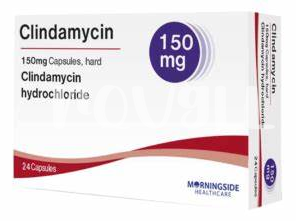
Taking cleocin, you should expect gradual improvement within 48 to 72 hours. If pain intensifies, fever rises, swelling spreads, or new pus appears, these are red flags. Also watch for a lack of symptom change after several days, since stalled recovery can hint that the drug isn’t working.
Contact your clinician promptly if these signs appear; don’t stop therapy without guidance. Bring documentation of symptoms and any culture results. Adherence matters, but persistent or worsening infection may require susceptibility testing and an alternative antibiotic, so arrange follow-up and clear communication.
Patient and Clinician Best Practices to Prevent Resistance
Patients should finish prescribed courses, never share or save leftover cleocin, and report new symptoms promptly to avoid delayed care and misuse.
Clinicians can reduce resistance by confirming bacterial infection before treatment, selecting narrow-spectrum drugs when appropriate, sending cultures, and reviewing results to tailor therapy.
Educate about hygiene, vaccination, and avoiding unnecessary antibiotics; stewardship and communication save effective options for future patients.
| Patient action | Clinician action |
|---|---|
| Finish course | Confirm diagnosis |
| Do not share meds | Use cultures promptly |
| Report reactions promptly | Prescribe narrow agent |
| Practice hand hygiene | Educate and follow up |
Future Treatment Options and Emerging Laboratory Strategies
As resistance rises, researchers are developing new therapeutic strategies that move beyond traditional antibiotics. Promising paths include small-molecule adjuvants that restore the activity of existing drugs, novel lincosamide derivatives with altered binding, antimicrobial peptides and bacteriophage therapies tailored to specific pathogens. Simultaneously, combination regimens — pairing clindamycin with beta‑lactams or efflux inhibitors — aim to reduce selective pressure and blunt resistance emergence.
On the laboratory side, faster, more precise diagnostics are changing care: rapid phenotypic susceptibility tests, PCR and sequencing for resistance markers, and MALDI‑TOF identification shorten the time to targeted therapy. Emerging surveillance tools — real‑time sequencing, wastewater monitoring and machine‑learning models — help detect outbreaks and resistance trends earlier. Together these approaches enable timely therapy adjustments, smarter stewardship decisions and a higher chance that treatments remain effective for patients. Sustained investment and global coordination are crucial to preserve antibiotic effectiveness now globally. MedlinePlus: Clindamycin NHS: Clindamycin