 Off‑label Colchicine Uses: Evidence and Controversies
Mechanism Insights Revealing Unexpected Therapeutic Avenues
Colchicine’s humble origin belies a sophisticated cellular choreography: low doses subtly disrupt microtubule dynamics, altering cell trafficking and immune cell motility without wholesale cytotoxicity observed.
That modest interference restrains inflammasome activation, lowering IL‑1β release and neutrophil recruitment — mechanisms now implicated beyond gout in vascular and cutaneous inflammation settings too.
Unexpectedly, colchicine influences platelet function, endothelial stability and autophagy pathways, offering plausible explanations for observed reductions in recurrent ischemic events in several large cohorts reported.
These mechanistic insights seed rational repurposing hypotheses, but translating cellular promise into safe, effective therapies requires targeted dosing trials and biomarker‑guided patient selection and validation.
| Target | Insight |
|---|---|
| Inflammasome | IL-1β reduction, neutrophil inhibition |
| Microtubules | Cell trafficking modulation, autophagy |
| Platelets | Reduced aggregation |
Evidence Review: Cardiovascular Benefits and Major Trials
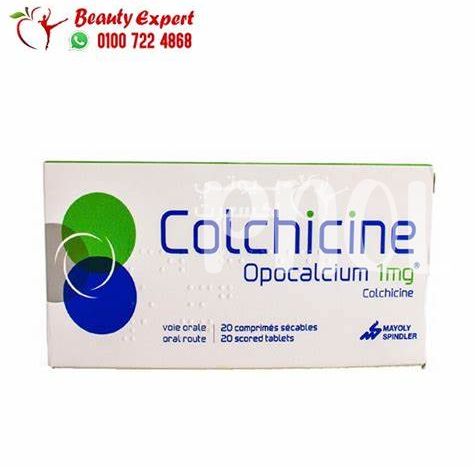
Once dismissed as a gout relic, colchicine reemerged in cardiology after small pilot studies hinted at anti-inflammatory protection following atherosclerotic events.
Larger randomized trials — LoDoCo, LoDoCo2 and COLCOT — demonstrated modest but consistent reductions in major adverse cardiovascular events, particularly recurrent myocardial infarction and stroke, while smaller studies such as COPS produced mixed results.
Effect sizes were generally modest with greater benefit in chronic coronary disease; debates focus on patient selection, duration, and rare safety signals including noncardiac mortality signals that require further study in ongoing trials and meta-analyses and replication.
Anti-inflammatory Applications in Dermatology and Rheumatology
Clinicians have long repurposed colchicine to treat neutrophil driven skin diseases and inflammatory joint disorders because its disruption of microtubules blunts innate immune cell motility and interleukin release, offering a mechanistic rationale beyond traditional immunosuppressants and steroid sparing effects.
Randomized trials and observational studies report clear benefit in familial Mediterranean fever and gout flares, substantial reductions in recurrent pericarditis, and meaningful symptom control in mucocutaneous Behçet’s disease, while evidence in hidradenitis and Sweet syndrome remains limited but encouraging.
Practice must weigh modest benefits against dose dependent gastrointestinal intolerance, rare myotoxicity, and CYP3A4 or P glycoprotein interactions; uniform dosing studies and head to head trials are essential to guide safe, evidence based prescribing in diverse populations.
Infectious Disease Hypotheses Examined Against Clinical Data
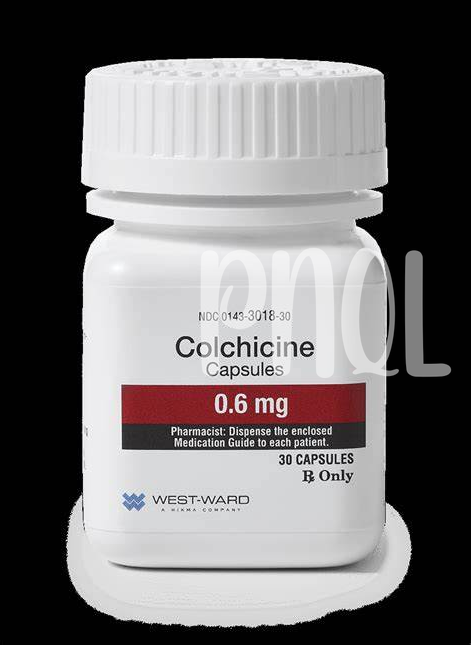
Early laboratory work suggested colchicine could blunt inflammasome-driven cytokine storms, spurring optimism during viral outbreaks and prompting rapid clinical tests. Enthusiasts cited mechanistic plausibility and encouraging observational cohorts, but these preliminary signals required randomized confirmation.
Subsequent randomized trials produced mixed results: some small studies reported reduced hospitalization or inflammatory markers, while larger, better-powered trials often found no clinical benefit. Meta-analyses highlight heterogeneity in dosing, timing, and patient selection, underscoring that biological plausibility alone cannot replace rigorous evidence. Future research must prioritize adequately powered, well-designed trials to settle whether anti-inflammatory mechanisms translate into reproducible infectious‑disease outcomes. In parallel, safety and interaction profiles must be integrated into trial design, especially in older, comorbid populations and global practice.
Safety Concerns: Dosing, Toxicity, and Drug Interactions
Clinicians often encounter a fine line between benefit and harm when prescribing colchicine off-label; modest doses can quell inflammation, but individual pharmacokinetics and comorbidities rapidly complicate predictable responses requiring vigilant daily monitoring.
Toxicity manifests across systems: gastrointestinal distress and myopathy are common signals, while neutropenia, bone marrow suppression and multiorgan failure appear with overdose, especially in renal impairment and drug co-prescriptions requiring dose adjustment.
Interactions amplify risk: CYP3A4 and P-glycoprotein inhibitors markedly raise colchicine levels; combined statin or macrolide use increases myotoxicity, so dose modification, lab surveillance and patient education are always indispensable with careful follow-up.
| Risk | Mitigation |
|---|---|
| Interaction | Review meds |
Policy Debates, Ethical Dilemmas, and Research Priorities
Debates frequently hinge on balancing rapid access against rigorous proof, especially when small trials suggest benefit but large outcome data remain lacking. Stakeholders—clinicians, regulators, patients—bring differing risk tolerances and priorities to guideline discussions and policy.
Ethical dilemmas arise around informed consent when prescribing off-label for unproven indications: clinicians must clearly communicate uncertainty, alternative options, and potential harms, especially to vulnerable populations often underrepresented in trials and real-world datasets and monitoring.
Policy-makers must weigh cost-effectiveness and equity: off-label prescribing can widen disparities if access is uneven, yet overly restrictive policies may stifle clinically meaningful innovation. Transparent frameworks and conditional approvals can bridge evidence gaps responsibly and effectively.
Research priorities include adequately powered randomized trials, diverse enrollment, and robust pharmacoepidemiology to detect rare harms. Funding incentives, data sharing, and international collaboration will accelerate clarity about benefit, optimal dosing, and long-term safety and implementation science. MedlinePlus: Colchicine PubMed: Colchicine