 Debunking Common Myths Surrounding Cytotec
Not Just an Abortion Pill: Multiple Uses
When clinicians reach for Cytotec, pregnancy termination isn’t always the goal. In maternity wards, its tiny tablet often becomes a lifesaver, prompting uterine contractions to stop life-threatening postpartum bleeding or to gently coax stalled labor along after safer options fail.
Beyond obstetrics, gastroenterologists rely on the same compound to shield stomach linings from NSAID-induced ulcers, and researchers explore uses in missed miscarriages, intrauterine device insertion, and cervical biopsies. One molecule, many missions—proof that context, not stigma, should frame our conversations.
| Medical Use | Why It Matters |
|---|---|
| Postpartum hemorrhage control | Reduces maternal mortality |
| Labor induction | Facilitates cervical ripening |
| Ulcer prevention | Protects stomach from NSAIDs |
| Gynecologic procedures | Eases IUD insertion & biopsies |
Hospital Only? Safe Administration at Home Explained
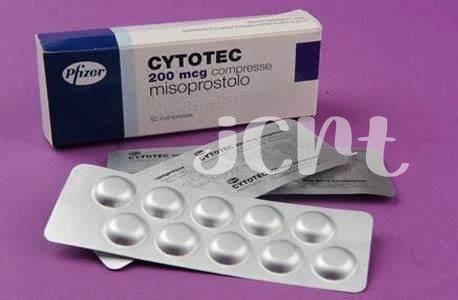
When Maria received her prescription, she imagined sterile corridors and beeping monitors. Her obstetrician, however, handed her detailed instructions and reminded her that many patients self administer cytotec safely at home every day. Thanks to its tablet form and wide therapeutic window, complications are rare when simple precautions like hydration and a support companion are followed.
World Health Organization protocols endorse self-use up to 12 weeks of pregnancy, provided users understand red-flag symptoms such as heavy bleeding or fever. Keeping ibuprofen and sanitary pads nearby, arranging reliable transport, and scheduling a follow-up call with a clinician transform the bedroom into a temporary, well-monitored care setting.
Over-the-counter Myths: Why a Prescription Still Matters
Picture a traveler picking up exotic spices in a foreign market—tempting, convenient, and sometimes dangerous. The same allure surrounds online vendors promising cytotec without paperwork. What many buyers don’t realize is that legitimate pharmacies cannot legally dispense the drug over the counter; if they do, chances are you’re receiving counterfeit tablets, expired stock, or incorrect dosage strengths. A prescription acts like a passport, guaranteeing origin, dosage accuracy, and pharmacist counseling.
Beyond quality control, the doctor's signature safeguards your health history. Misoprostol can irritate ulcers, provoke asthma attacks, and interact with NSAIDs or anticoagulants; tailored screening prevents these surprises. Prescribers also outline evidence-based regimens—timing, drugs, red-flag symptoms—that cannot fit on a shady website’s FAQ. By insisting on a prescription, you gain a safety net: follow-up, access, and efficacy instead of roulette.
Fertility Fears: Debunking Permanent Infertility Claims
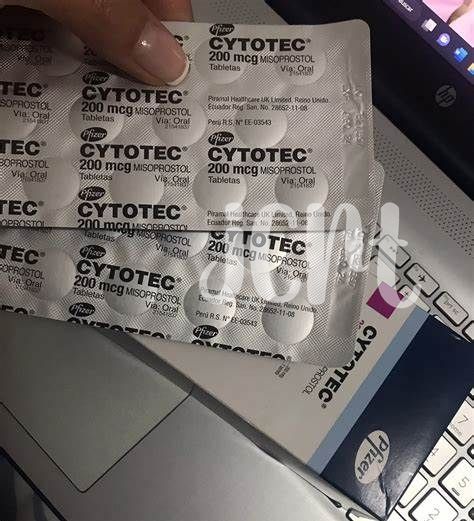
Stories of permanently damaged fertility often swirl through forums, painting dramatic futures for anyone who has taken cytotec. Yet, rigorous medical studies tell another tale.
Researchers tracking thousands of women after medically managed miscarriages or postpartum treatments found no statistical difference in conception rates compared with those who never used the drug.
The medication triggers temporary uterine contractions and sheds lining, but it neither scars ovaries nor alters hormonal feedback loops required for future ovulation and implantation.
Doctors still advise waiting one normal menstrual cycle before trying to conceive, mainly to aid accurate dating of pregnancy, not because residual drug effects threaten reproductive health later.
Dosage Roulette: the Truth about Pill Splitting
When a fragile, scored tablet lands in your palm, it’s tempting to snap it in half and hope for mathematical precision. With cytotec, that temptation can turn dosing into roulette. Although the active ingredient is evenly blended, each fragment may still crumble, lose powder, or absorb moisture unevenly, creating unpredictable peaks that matter when you’re trying to prevent gastric ulcers or manage postpartum bleeding. Pharmacists calibrate dose by milligram, not by guesswork.
Consider the variability documented in laboratory assays, summarized below. Such swings, harmless with multivitamins, can translate into incomplete uterine contractions or distressing cramps here. The wiser approach is to ask for properly sized cytotec tablets or a pharmacist-compounded suspension; that brief extra step trades uncertainty for predictable, evidence-based care and, ultimately, better clinical outcomes for every patient treated.
| Fragment | Expected (mg) | Measured (mg) |
|---|---|---|
| Half A | 100 | 87 |
| Half B | 100 | 112 |
Horror Stories Vs Data: Understanding Real Risk Profile
Internet forums overflow with chilling testimonies of uncontrollable bleeding and near-fatal complications, painting Cytotec as a pharmaceutical villain. Yet case reports, by nature, spotlight extremes, not norms, leaving ordinary, uneventful outcomes invisible to researchers.
Large observational studies show serious adverse events hover below one percent when guidelines are followed, paralleling or outperforming other obstetric drugs. Most hospital admissions stem from dosage errors or absence of medical backup, variables that skew anecdotal narratives.
Cross-referencing systematic reviews, the medication’s risk profile resembles that of common NSAIDs: real yet manageable with proper screening. Examine numbers, not rumors, via resources: WHO PubMed for detailed evidence and reassurance.