 Doryx Interactions: Medications and Foods to Avoid
Mineral-rich Supplements and Antacids: Block Doryx Absorption
I recall a patient surprised her antibiotic seemed weaker after an over-the-counter antacid. Many think pills harmlessly mix, but mineral supplements can reduce doxycycline absorption and lower blood levels before the drug reaches the infection.
Calcium, magnesium, aluminum and other divalent cations bind tetracyclines in the gut and form insoluble complexes. This chelation prevents adequate uptake, lowering effective drug concentrations.
Separate dosing: take doxycycline at least two hours before or four to six hours after antacids, calcium, or milk. Read labels and set reminders if you take multiple daily doses.
If unsure, ask a pharmacist or prescriber. They can advise safe timing, alternative formulations, or temporary pauses in supplements so the antibiotic maintains effectiveness against the infection.
| Supplement | Advice |
|---|---|
| Calcium and antacids | Separate by two to six hours |
| Magnesium and iron | Avoid simultaneous dosing |
| Aluminum | Use alternative or delay dosing |
Dairy and Calcium-heavy Foods: Timing Matters for Dosing
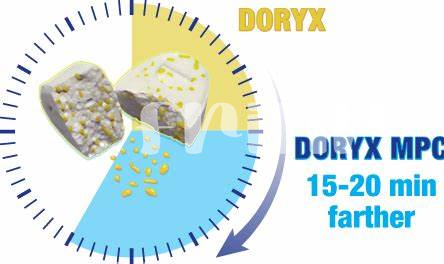
I once missed a dose after a bowl of cereal with milk and learned calcium can lock up antibiotics. With doryx, milk, yogurt, cheese and fortified drinks may bind the drug and lower absorption. To stay effective, wait at least two hours before or after high-calcium meals, or take doryx with water on an empty stomach if your prescriber advises.
Poor absorption can weaken therapy or promote resistance. If spacing supplements or dairy isn’t practical, discuss alternative dosing, formulations, or antibiotics with your clinician. Tell your pharmacist about dairy, calcium supplements, and antacids so they can confirm safe timing and optimize your course. Pregnant or breastfeeding patients should consult their clinician before taking doryx medication.
Iron, Zinc, and Multivitamins: Separate Doses to Prevent Chelation
A young traveler juggling pills learned the hard way that timing matters: taking supplements with antibiotics can quietly sabotage treatment and follow instructions closely.
For example, doryx binds to divalent cations in supplements, dramatically lowering blood levels unless doses are spaced several hours apart.
To avoid chelation, schedule antibiotics at least two hours before or four to six hours after mineral or multivitamin intake—ask your clinician.
Keeping a simple pill log and asking pharmacists about interactions preserves effectiveness and prevents treatment failure, especially when travel or chronic conditions complicate routines.
Blood Thinners and Doryx: Monitor Bleeding and Inr

When Emma was prescribed doryx while already taking warfarin, her routine suddenly required more attention than before. Antibiotics can alter gut flora and liver enzymes, sometimes raising INR and increasing bleeding tendency; though interactions vary, the possibility of an enhanced anticoagulant effect is real. Early follow-up and a clear monitoring plan helped her stay safe.
Talk with your prescriber before starting or stopping doryx when on anticoagulants, and schedule INR checks within a few days of initiation or dose change. Watch for any unusual bruising, nosebleeds, darker stools, or prolonged bleeding from small cuts. Don’t adjust warfarin yourself — coordinated testing and timely communication let clinicians tailor doses and minimize risk while keeping treatment effective.
Isotretinoin and Tetracyclines: Dangerous Risk of Intracranial Hypertension
Imagine waking to a thunderous headache and blurred vision after starting acne therapy; such alarming signs can signal raised intracranial pressure when systemic retinoids are combined with tetracyclines. Clinicians warn against co-prescribing oral isotretinoin and doxycycline brands like doryx because the pairing increases risk of benign intracranial hypertension. If you experience persistent headache, visual changes, nausea, or ringing in the ears, stop therapy and seek urgent medical and ophthalmologic evaluation.
Treatment requires immediate discontinuation of the suspected agent(s) and measurement of intracranial pressure and visual fields; lumbar puncture and neuroimaging may be needed. Management often combines lowering intracranial pressure, close ophthalmic follow-up, and alternative antibiotics when necessary. Before prescribing, clinicians should review current and recent medications, counsel patients about warning symptoms, and avoid overlapping courses. Clear documentation and prompt action preserve vision and reduce severe complications from this avoidable interaction.
| Symptom | Recommended action |
|---|---|
| Severe headache/visual change | Stop drugs; urgent ophthalmology |
| Nausea, vomiting, tinnitus | Medical assessment; consider LP and imaging |
Enzyme Inducers Like Rifampin, Anticonvulsants Lower Doryx Levels
When patients take certain enzyme-stimulating drugs, they can watch a frustration: their doxycycline becomes less effective. Some anti-infectives and seizure medicines speed hepatic breakdown, reducing blood levels.
Clinically this may mean worsening infection or failed prophylaxis despite proper dosing. Symptoms can return or never fully resolve, forcing alternative strategies or higher doses under close supervision.
Providers often adjust therapy by choosing non-interacting antibiotics, monitoring response closely, or spacing treatments. Therapeutic drug monitoring isn't routine but can guide care in complex cases.
If you or your patient uses liver enzyme inducers, alert clinicians and pharmacists so medication lists can be reconciled and risks reduced and reviewed. Discuss alternatives with specialists when necessary to ensure success always. DailyMed: DORYX PubMed: doxycycline interactions