 Athletes and Furosemide: Risks, Misuse, and Testing
How Furosemide Works and Affects Athletes
In competition, an athlete might reach for a fast-acting diuretic to change their body quickly. Furosemide prompts kidneys to excrete salt and water, shrinking fluid volume and body mass within hours. That rapid shift can feel like control, but it challenges normal physiology and balance.
Beyond immediate weight change, electrolyte loss alters muscle function and cardiovascular responses. Athletes may experience cramps, dizziness, and impaired endurance as sodium, potassium, and magnesium levels fall. Even single uses can disrupt hydration strategies, making recovery unpredictable and increasing vulnerability to heat illness or dangerous arrhythmias during intense exertion episodes.
Repeated misuse stresses kidneys and fluid-regulating hormones, increasing risk of kidney injury and chronic electrolyte imbalance. Apparent short-term gains are unreliable; weight manipulation can impair training and safety. Strong medical oversight and athlete education reduce harm and promote fair, sustainable preparation for competition and recovery.
| Effect | Typical Onset |
|---|---|
| Rapid fluid loss | Hours |
| Electrolyte imbalance | Hours–Days |
| Cardiac/neuromuscular issues | Hours–Days |
| Kidney stress | Days–Weeks |
Why Athletes Misuse Furosemide: Weight, Masking
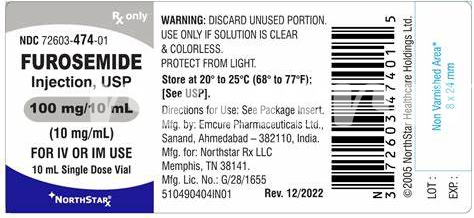
A sprinter steps on the scale before a crucial meet, panic sharpening every calorie counted. Athletes turn to furosemide to shed water weight quickly, chasing immediate gains to make weight classes or fit aesthetics. The rapid drop in scale numbers can feel like control when pressure is high.
Others use it believing it masks banned substances by diluting urine, a risky misconception that draws scrutiny and testing. This misuse overlooks dehydration, electrolyte collapse and impaired performance, trading short-term advantage for health hazards and likely disqualification and lost future career opportunities.
Short and Long-term Health Risks Explained
A sudden rush to shed water can feel empowering, but furosemide drains electrolytes and blood volume fast. Athletes may experience dizziness, muscle cramps, fainting, and dangerously low blood pressure during competition.
Repeated use can cause chronic kidney stress, hearing impairment, persistent electrolyte imbalances, metabolic alkalosis, and increased arrhythmia risk; over months or years these effects may become irreversible and permanently life-altering.
Athletes should heed warning signs—extreme thirst, confusion, palpitations—and seek medical review; safer strategies include supervised weight management, nutrition, clinician-guided hydration and electrolyte monitoring to prevent acute and chronic harm.
Performance Effects and Dangerous Unintended Consequences

A sprinter desperate to make weight might reach for furosemide, chasing rapid fluid loss and a lighter scale. The immediate sensation of relief can feel empowering, but it’s a false advantage: dehydration impairs heat regulation, endurance, and decision-making.
Electrolyte depletion reduces muscular power and coordination, causing cramps, spasms, and slowed reaction times that erode performance. Athletes risk hypovolemia and arrhythmias when sodium and potassium balance collapses, turning a tactical shortcut into a potentially life‑threatening emergency.
Over time recurring misuse undermines training adaptations, causing chronic fatigue, impaired recovery, and cognitive fog. Rebound edema and renal stress can follow abrupt cessation, and masked substance strategies often backfire when tests reveal diuretics, ending careers and health permanently, irreparably.
Anti-doping Rules and Furosemide Detection Methods
In sport furosemide is flagged quickly because its diuretic action alters urine profiles and can dilute other substances prompting targeted testing
Laboratories screen broadly then confirm positives using GCMS or LCMSMS to find parent drug and metabolites at very low concentrations
Investigators check creatinine and specific gravity for dilution while isotope patterns and concentration ratios help infer contamination versus deliberate use
Sanctions appeals and therapeutic use exemptions follow protocols
| Method | Purpose |
|---|---|
| Urine GCMS | Screen and confirm presence |
| LCMSMS quantification | Detect metabolites at low levels |
| Specific gravity | Indicate potential sample dilution |
Prevention, Education, and Safer Alternatives for Athletes
Education must start early: coaches, medical staff and athletes need clear lessons on diuretics' harms and rule breaches. Real stories of collapse or sanction help anchor facts; classroom sessions and accessible materials turn abstract risks into personal decisions.
Precompetition screening, confidential medical advice and nutrition counseling reduce temptation to use masking agents. Sporting bodies should fund independent testing and athlete hotlines so concerns are addressed without fear; prevention works best when policies are trusted and consistently enforced.
Safer alternatives focus on evidence-based weight management: periodized training, tailored nutrition, monitored dehydration strategies only when clinically justified, and medical supervision for real health issues. Empowered athletes choose sustainable performance gains that last rather than risky shortcuts altogether. NCBI Bookshelf: Furosemide (StatPearls) PubChem: Furosemide