 Hydroxychloroquine Clinical Trials: What the Research Shows
Early Laboratory Findings and the Initial Enthusiasm
Lab cultures showed hydroxychloroquine reduced viral replication in cell lines, sparking curiosity among researchers and clinicians. Results from small, rapid assays suggested dose-dependent antiviral effects, and images of cleared cultures circulated quickly through scientific networks. Still, variability between cell models and viral strains cautioned against overinterpretation.
Mechanistic explanations—interference with endosomal pH, glycosylation of receptors, and immunomodulatory properties—offered plausible pathways, though effective concentrations in vitro often exceeded achievable plasma levels. Animal studies were limited, and laboratory promise did not guarantee clinical benefit. Early pharmacokinetic modelling raised doubts about achieving therapeutic levels without toxicity.
The early narrative blended optimism and urgency, driving off-label prescriptions and rapid initiation of human trials. That momentum illustrated how preliminary bench data can shape public policy and practice, underlining the need for careful translation from lab bench to bedside. Lessons from those moments emphasized rigorous trial design.
| Finding | Note |
|---|---|
| In vitro inhibition | Variable translation |
Observational Studies: Mixed Signals and Confounding Factors

Early reports from clinics and hospital wards painted a hopeful picture: antiviral activity seen in lab studies seemed to translate into faster recoveries for some patients given hydroxychloroquine. Those anecdotal successes spread quickly, fueling demand and off label use.
But observational research produced mixed signals. Some retrospective cohorts suggested reduced viral load or shorter hospital stays, while others found no benefit or even harm. Differences in patient selection, timing of treatment, and dosing complicated interpretation.
Confounding factors abounded: sicker patients were more likely to receive experimental therapies, and background care varied between centers. Without random assignment, it was difficult to separate drug effects from underlying risk or concurrent treatments.
Despite valuable real world data, these studies underscored the need for randomized trials to determine whether apparent benefits were real or artifacts of bias and confounding and persistent uncertainty about causality.
Randomized Controlled Trials: What Rigorous Evidence Shows
Early randomized trials transformed hopeful lab results into clinical reality checks, enrolling diverse patients and comparing standard care with hydroxychloroquine.
Many were pragmatic, multicenter studies that measured meaningful outcomes: hospitalization, viral clearance, symptom duration, and mortality. Placebo controls and blinding reduced bias, clarifying earlier mixed observational signals.
Consistently, high-quality trials found no significant benefit for treatment or postexposure prophylaxis, and effect sizes were small or null.
These results shifted practice away from widespread use, emphasizing the need for randomized evidence before adopting therapies at scale. Policy decisions followed these findings.
Safety Concerns and Reported Adverse Cardiac Effects
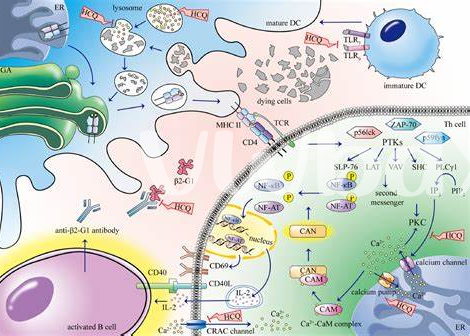
Early enthusiasm for hydroxychloroquine was tempered by accumulating reports of cardiac toxicity. Case series and pharmacovigilance data described QT interval prolongation, ventricular arrhythmias and rare instances of torsades de pointes, especially when combined with azithromycin or in patients with underlying heart disease. Risk appeared dose-dependent and amplified by electrolyte abnormalities, renal impairment and interacting medications. These signals prompted hospitals and regulators to pause unmonitored outpatient use while investigators sought clearer evidence.
In practice clinicians introduced baseline ECGs and electrolyte checks, restricting therapy to monitored settings and clinical trials. Consent discussions shifted to emphasize uncertain benefit versus measurable cardiac risk, especially for older patients and those on QT‑prolonging drugs. Ultimately this safety story underlined the importance of rigorous assessment before widespread adoption: understanding adverse-event mechanisms, stratifying risk, and designing trials that capture rare but serious outcomes became central to responsible therapeutics.
Meta-analyses and Systematic Reviews Consolidate Findings
Several high-quality meta-analyses pooled randomized trial data, showing no clear benefit of hydroxychloroquine for prevention or treatment of COVID-19.
Systematic reviews emphasized study heterogeneity and small early trials that biased initial impressions.
When data were restricted to blinded, adequately powered RCTs, pooled estimates converged toward null effects and often increased precision.
These syntheses also highlighted consistent safety signals and recommended against routine clinical use outside trials.
| Data | Summary |
|---|---|
| 24 RCTs | No effect on mortality |
| Observational | Mixed and confounded |
| Safety signals | QT prolongation concern |
| Note extra |
Lessons Learned and Implications for Future Pandemic Responses
Early missteps showed how quickly limited lab data and hope can outpace careful science; trials later revealed little benefit. The saga emphasized the need for rapid but rigorous randomized studies, clear communication about uncertainty, and restraint before adopting treatments widely.
Future responses should prioritize coordinated trial networks, transparent data sharing, and stronger pharmacovigilance to detect harms early. Building public trust requires honesty about evolving evidence and mechanisms to pivot practice as robust results arrive. Prepared regulatory pathways and ethical oversight can help balance speed with safety, reducing confusion and politicization. NIH guidance on hydroxychloroquine FDA revokes EUA