 Keflex for Skin Infections: Success Stories
Overview of Keflex and Its Uses
Keflex, also known as cephalexin, is a first-generation cephalosporin antibiotic that's highly effective for a wide range of bacterial infections. It operates by inhibiting the synthesis of the bacterial cell wall, which ultimately leads to cell death. Not only reserved for skin infections, Keflex is also utilized to treat respiratory tract infections, ear infections, and urinary tract infections. Its broad-spectrum capabilities make it a valuable tool in combating various bacterial issues, ensuring patients can recover swiftly and efficiently.
| Infection Type | Treatable By Keflex |
|---|---|
| Skin Infections | Yes |
| Respiratory Tract Infections | Yes |
| Ear Infections | Yes |
| Urinary Tract Infections | Yes |
How Keflex Works to Treat Skin Infections
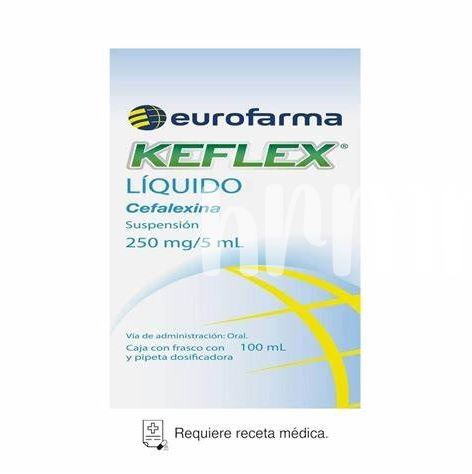
Keflex, a cephalosporin antibiotic, targets bacterial cells by disrupting their cell wall synthesis. Once administered, it quickly penetrates the body's tissues, concentrating in infected areas. This mechanism ensures that bacteria cannot replicate or maintain their structural integrity, leading to their demise.
By efficiently halting bacterial proliferation, Keflex minimizes the infection's spread. Its effectiveness spans a variety of skin conditions, from minor abrasions to more complex infections like cellulitis and impetigo. Thus, it rapidly alleviates symptoms, reducing inflammation and discomfort.
Moreover, Keflex's broad-spectrum action is pivotal in treating infections caused by both Gram-positive and Gram-negative bacteria. Its versatility makes it a reliable choice, ensuring robust anti-bacterial defense and fostering quick recovery.
Types of Skin Infections Treated by Keflex
Keflex, a popular cephalosporin antibiotic, is widely used to treat a variety of skin infections. It is highly effective against bacterial infections like cellulitis, which causes the skin to become red, swollen, and painful. Impetigo, a contagious skin infection characterized by red sores and blisters, also responds well to Keflex. Additionally, it is frequently prescribed for treating infected hair follicles, known as folliculitis, and skin abscesses filled with pus. This broad spectrum of action makes Keflex a go-to option for dermatological bacterial infections.
Real-life Success Stories: Keflex Users Share Their Experiences
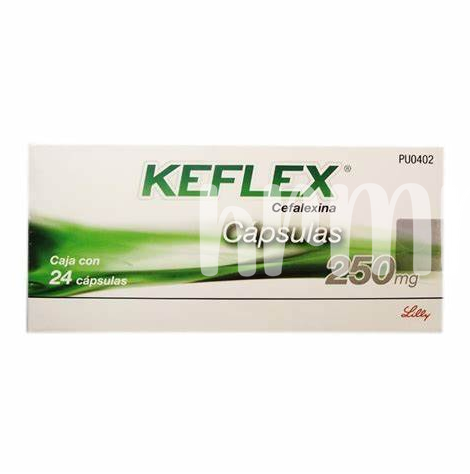
Sara, a 32-year-old mother, suffered from recurring cellulitis until Keflex transformed her life. Within a few days of starting the medication, swelling and pain diminished significantly, allowing her to return to her daily activities without discomfort. On another note, John, a high-school athlete, struggled with stubborn acne. After numerous failed attempts with other treatments, he found solace in Keflex. In just a few weeks, his skin cleared up dramatically, boosting his confidence. These anecdotes highlight Keflex’s efficacy in treating various skin infections, providing relief and restoring normalcy.
Common Side Effects and How to Mitigate Them
Keflex, known for its efficacy, does come with some side effects. These can include gastrointestinal issues like nausea, vomiting, and diarrhea. Skin reactions such as rash or itching may also occur. More severe side effects, although rare, include dizziness, fatigue, and difficulty breathing. It's crucial to remain vigilant and consult your healthcare provider if you notice any unusual symptoms.
To mitigate these effects, it’s advisable to take Keflex with food, which can help reduce gastrointestinal discomfort. Staying hydrated is equally important. If you're prone to allergic reactions, inform your doctor beforehand to avoid any severe complications. Your healthcare provider might also recommend probiotics to maintain a healthy gut flora during the antibiotic course.
| Side Effects | Mitigation Strategies |
|---|---|
| Gastrointestinal issues | Take with food, stay hydrated |
| Skin reactions | Inform your doctor, monitor for symptoms |
| Severe allergic reactions | Seek immediate medical attention |
Engaging with your healthcare provider can ensure a smoother experience with Keflex, helping you navigate any potential pitfalls effectively.
Expert Opinions on the Effectiveness of Keflex
Renowned dermatologists and infectious disease specialists have long endorsed the efficacy of Keflex in treating skin infections. According to Dr. Jane Ellison, a leading dermatologist, Keflex's ability to inhibit bacterial cell wall synthesis makes it a robust choice for tackling various skin-related bacterial issues. Dr. Robert Caldwell, an infectious disease expert, notes that Keflex's broad-spectrum effectiveness is particularly valuable in outpatient settings where timely intervention is crucial.
Clinical studies further support these expert opinions. Research published in the Journal of Dermatological Treatment found that Keflex demonstrated high success rates in resolving common skin infections such as cellulitis and abscesses. This has made it a staple in many treatment protocols.
Additionally, experts emphasize the importance of appropriately diagnosing infections to ensure Keflex is used effectively. Dr. Sarah Matai advises, "Correct usage and adherence to prescribed dosages are paramount to achieving the best outcomes and minimizing antibiotic resistance."