 Lioresal Withdrawal Symptoms and How to Manage
What Triggers Lioresal Withdrawal in Patients
For many patients relying on Lioresal, the trigger for withdrawal can be as sudden as forgetting a single dose or as gradual as a physician-guided dosage reduction 🕰️. Life events, such as travel disruptions or changes in daily routine, may disrupt the maintenence schedule and cause levels of the medication to drop too rapidly. Teh nervous system, having grown accustomed to the steady presence of Lioresal, reacts strongly to any abrupt changes.
Emotional stressors and other medications that interact with Lioresal can also increase the risk of withdrawal. Sometimes, it’s not purely a matter of missed doses but a combination of factors that catch patients off guard.
| Trigger | Impact |
|---|---|
| Missed Dose | Sudden drop in medication level |
| Schedule Change | Disrupted routine complicates timing ⏰ |
| Emotional Stress | Lower tolerance to change |
Common Physical and Emotional Withdrawal Symptoms

When someone stops taking lioresal, the body and mind can react strongly. Physical changes may include muscle stiffness, spasms, or even fever and rapid heart rate. For many, these shifts can feel sudden and surprisingly intense, creating a sense of unease or restlessness.
On the emotional side, anxiety and mood swings often surface, sometimes hand-in-hand with insomnia. Some people also experiance vivid dreams or confusion, wich can disrupt daily routines. These neccessary adjustments make withdrawal a uniquely challenging journey. 🌧️
Recognizing these challenges is the first step to regaining balance. Support from family or professionals can truly make a diference in the process. 💪
How Quickly Do Withdrawal Symptoms Appear
For some individuals taking lioresal, the Begining of withdrawal symptoms can suprise them by appearing sooner than expected. The body and nervous system grow dependant on the medication, so even missing a dose or two may trigger early discomfort. ⏳ Symptoms such as muscle spasms, anxiety, or even confusion may start within hours to a few days after the last dose, varying based on individual factors.
The speed at wich withdrawal Occured is not always predictable—it may be influenced by the length of treatment, dosage, and one’s overall health. 🌙 Monitoring changes closely and recognizing early signals is key for those tapering or stopping lioresal. Maintaining open communication with a healthcare provider aids in managing each person’s timeline safely.
Risk Factors That Worsen Withdrawal Severity
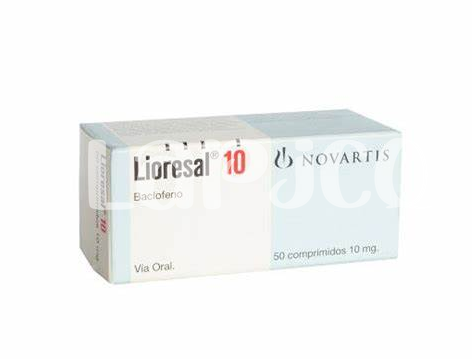
When it comes to lioresal withdrawal, every person's journey is unique. Certain prexisting health conditions, like a history of seizures, mental health disorders, or chronic illnesses, can increase the risk of more sever symptoms emerging. Age is another important factor—older adults may have a harder time handling sudden changes in medication.
People who have been taking high doses of lioresal or using it for a long duration are also more vulnerable to intense withdrawal effects. 🚨 Untill your body adequetly adjusts, even a minor change can lead to heightened discomfort.
Additionally, rapid discontinuation, instead of a gradual taper, can cause withdrawal symptoms to appear more quickly. It's crucial to work closely with healthcare professionals for proper managment and support. 🩺
Effective Strategies to Manage Withdrawal Safely
Gradual dose reduction is key to minimizing lioresal withdrawal symptoms—do not stop abruptly. Support networks, like family or a healthcare team, can make the experiance less daunting, while tracking symptom changes helps you stay aware of your progress.
Hydration, rest, and stress-relief activities 🧘♂️, such as gentle excercise or meditation, are highly recomended for easing discomfort during this period. Keeping a daily routine can also provide stability and a sense of control.
Below is a helpful table outlining essential supportive strategies:
| Strategy | Why It's Helpful |
|---|---|
| Slow Taper | Reduces severity of withdrawal symptoms |
| Stay Hydrated | Supports body functions & detoxification |
| Seek Support | Emotional encouragement & monitoring |
When to Seek Medical Help during Withdrawal
Recognizing the right moment to seek medical attention during Lioresal withdrawal is vital for your safety 🩺. If you or someone you know experiences severe muscle stiffness, confusion, hallucinations, or seizures, these can be warning signs of complications that require urgent care. Sometimes, these symptoms can escalate quickly, making it difficult to manage them at home without professional support.
It's also important not to overlook less dramatic but still serious symptoms, like fever, rapid heartbeat, or unusual changes in blood pressure. Emotional changes, such as extreme anxiety, agitation, or depression, can also signal that medical intervention is neccessary. These occurences may be subtle at first, but they shouldn't be ignored—timely help can prevent further problems and ensure a safer recovery process 🧑⚕️.
Remember, staying connected with your healthcare provider throughout withdrawal offers guidance and reassurance. If symptoms worsen suddenly or you feel unsure about your health status, don't hesitate to reach out for expert advice. For more detailed information, explore: NCBI: Baclofen, PMC: Baclofen withdrawal syndrome.