 Lipitor Vs. Other Cholesterol Medications: a Comparison
Understanding Lipitor: Mechanism and Effectiveness in Lowering Cholesterol
Lipitor, a widely prescribed statin, plays a critical role in managing cholesterol levels by inhibiting the enzyme HMG-CoA reductase. This enzyme is pivotal in the biosynthesis of cholesterol in the liver, and by blocking it, Lipitor effectively reduces low-density lipoprotein (LDL) cholesterol while increasing high-density lipoprotein (HDL) cholesterol, leading to improved heart health outcomes. Studies have consistently shown that patients taking Lipitor can achieve significant reductions in LDL levels, which is crucial since high LDL is associated with an increased risk of cardiovascular disease.
The effectiveness of Lipitor in lowering cholesterol is further supported by its capacity to stabilize plaques in arteries, reducing the risk of heart attacks and strokes. When combined with lifestyle changes such as diet and exercise, Lipitor can drastically enhance an individual’s cardiovascular profile. However, understanding its mechanism not only highlights its importance in cholesterol management but also emphasizes the need for monitoring and supporting patients throughout their treatment journey to maximize benefits and minimize risks.
| Parameter | Effect of Lipitor |
|---|---|
| LDL Cholesterol | Lowered significantly |
| HDL Cholesterol | Increased |
| Cardiovascular Risk | Reduced by stabilizing arterial plaques |
| Recommended Usage | Along with lifestyle changes |
A Deep Dive into Statins: Pros, Cons, and Comparisons
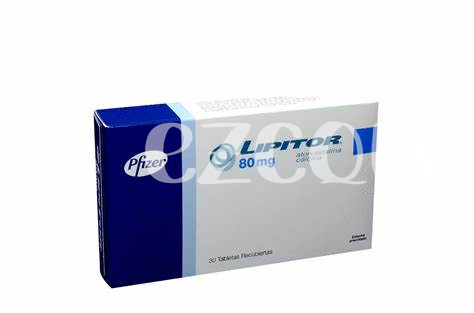
Statins, including Lipitor, are often the first-line defense against high cholesterol levels, effectively lowering LDL cholesterol and reducing cardiovascular risks. Their ability to decrease heart attack and stroke incidence has made them a cornerstone of preventive medicine. However, while many patients gain significant benefits, some may experience side effects such as muscle pain, liver abnormalities, or gastrointestinal discomfort. This duality makes it essential for healthcare providers to assess each patient's health background and treatment goals.
When comparing Lipitor to other statins, such as Crestor or Zocor, variations in potency, dosage, and side effect profiles come into play. For instance, while Lipitor is widely praised for its efficacy, some may find alternative statins more tolerable or suitable for their specific health needs. Understanding these differences allows patients and doctors to make informed decisions on the best cholesterol management strategy tailored to individual circumstances.
Non-statin Alternatives: Exploring Efficacy and Safety Profiles
In the quest for cholesterol management, many patients seek alternatives to traditional statins like Lipitor. Non-statin medications, such as ezetimibe and PCSK9 inhibitors, have emerged as viable options, often targeting different pathways to effectively lower cholesterol levels. Ezetimibe works by reducing the absorption of cholesterol in the intestines, while PCSK9 inhibitors enhance the liver’s ability to remove LDL cholesterol from the bloodstream. Studies have shown that these alternatives can be particularly beneficial for individuals who are statin-intolerant or who have familial hypercholesterolemia.
Safety profiles for these alternatives vary; while ezetimibe tends to have few side effects, PCSK9 inhibitors are associated with a higher cost but are generally well-tolerated. Understanding these factors is crucial for patients and healthcare providers when considering a comprehensive strategy for cholesterol management, ensuring that every individual’s unique needs are met.
Side Effects Showdown: What Patients Need to Know
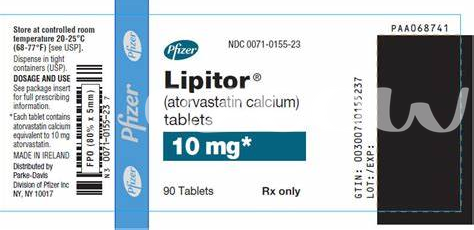
When considering cholesterol medications, it's essential to understand the potential side effects each may carry. Lipitor, known for its effectiveness in lowering LDL cholesterol, can also lead to various adverse reactions. Some patients report muscle pain, digestive issues, or even liver problems—highlighting the importance of monitoring when on this medication.
Other statins may present similar side effects, but the intensity can vary among individuals. Non-statin alternatives like PCSK9 inhibitors or ezetimibe often have different side effect profiles, making them appealing options for those concerned about statins. However, these alternatives aren't devoid of risks either, emphasizing the need for thorough discussions with healthcare providers.
It’s crucial to weigh the benefits against the risks when considering any cholesterol medication. Personalized factors such as existing health conditions and concurrent medications can alter how one tolerates specific treatments. For instance, a person with a history of muscle pain might be more cautious when prescribed Lipitor.
Ultimately, understanding side effects helps patients make informed decisions about their treatment plans. Open communication with healthcare professionals ensures individuals can assess their options systematically, prioritizing safety while effectively managing cholesterol levels. Each patient's experience will vary, underscoring the necessity of tailored approaches to cholesterol management.
Personalized Medicine: Tailoring Cholesterol Treatments to Individual Needs
In the journey of managing cholesterol, a one-size-fits-all approach often falls short. Personalized treatment strategies have emerged, offering tailored solutions to address individual needs, lifestyle, and risk factors. Lipitor, for instance, is one of the most commonly prescribed statins, but its effectiveness can vary significantly among patients. Genetic factors, existing medical conditions, and response to treatment all play essential roles in determining the best approach.
By analyzing these elements, healthcare providers can create a customized plan. This may include adjusting the dosage of Lipitor or incorporating non-statin alternatives that align better with a patient's health profile. The goal is to optimize cholesterol levels while minimizing side effects.
An essential factor in personalized medicine is robust communication between patients and healthcare professionals. Engaging discussions about family history, lifestyle habits, and personal preferences ensure a holistic treatment plan. For instance, a patient resistant to statins might find more success with a combination of diet changes and non-statin medications.
Ultimately, personalized approaches enhance patient adherence and satisfaction. Tailoring treatments fosters a sense of empowerment, allowing individuals to take charge of their health. As the landscape of cholesterol management evolves, focusing on personalized strategies will be crucial in achieving optimal outcomes.
| Medication | Class | Typical Efficacy | Common Side Effects | |-----------------------|------------|-------------------|-------------------------| | Lipitor | Statin | High | Muscle pain, liver issues| | Atorvastatin | Statin | High | Muscle pain, liver issues| | Ezetimibe | Non-statin | Moderate | Diarrhea, fatigue | | PCSK9 Inhibitors | Biologic | Very High | Injection site reactions | | Niacin | Vitamin | Variable | Flushing, itching |
Cost and Accessibility: Comparing Prices and Coverage Options
The landscape of cholesterol medications can vary significantly when it comes to cost and accessibility. Lipitor, as one of the most widely prescribed statins, often comes with a higher price tag compared to its generic counterparts. Patients frequently find themselves navigating insurance formularies, which may favor certain medications over others. This can lead to out-of-pocket expenses that diverge significantly based on the plan and the specific medication chosen.
In contrast, many non-statin alternatives, such as ezetimibe or PCSK9 inhibitors, may be available at varying costs, with some requiring prior authorization to access. Accessibility can be further complicated by regional differences in pharmacy pricing and the availability of patient assistance programs. Understanding these nuances is crucial for patients looking to manage their cholesterol levels effectively without breaking the bank.
Pharmaceutical companies are increasingly focusing on affordability, leading to a growing array of discount programs and copay cards. However, even with these resources, the financial burden of managing cholesterol can be daunting. For individuals living with cardiovascular risks, a careful evaluation of medication options, costs, and potential assistance can make a significant difference in their treatment journey.