 Lisinopril Vs. Other Ace Inhibitors: Comparison Guide
How Lisinopril Works Compared with Other Ace Inhibitors
I remember reading how ACE inhibitors cluster together yet act with subtle nuance. Lisinopril blocks angiotensin converting enzyme from the bloodstream to tissue sites, reducing vasoconstriction and aldosterone-driven volume retention.
Other ACE inhibitors may be prodrugs needing liver activation or have different lipophilicity that favors tissue binding. Those differences change onset, duration, and which populations prefer one agent over another.
Side effects overlap — cough, hyperkalemia, angioedema — but incidence varies with drug properties and patient factors. Clinicians translate pharmacokinetic details into practical choices for comorbidity and renal function.
In real-world practice switching is straightforward, but Occassionally patients reveal unexpected tolerability quirks. Teh final call balances efficacy, side effects, dosing convenience, cost, and patient preference and adherence.
Side Effect Profiles: Similarities and Distinct Risks

Patients often notice similar reactions with ACE inhibitors: a dry cough, dizziness from lowered blood pressure, and shifts in potassium and renal function. lisinopril shares these effects because ACE blockade raises bradykinin and alters sodium balance, creating predictable lab and symptom patterns clinicians monitor.
Distinct risks include rare angioedema and more pronounced hypotension in volume-depleted or renal-impaired people. Occassionally clinicians prefer alternatives for patients with prior reactions or in pregnancy. Routine monitoring of creatinine and potassium, dose adjustments, and patient education improve safety and adherence over time and outcomes measurably.
Blood Pressure Control: Efficacy Across Different Patient Groups
Clinically, lisinopril often lowers systolic and diastolic pressures reliably, but response varies by age, race, and comorbidities. Elderly patients may reach target BP with lower doses, while Black patients sometimes need combination therapy for optimal control.
Trials show many ACE inhibitors are similar in average efficacy, yet individual tolerability and renal function guide selection. Patients with diabetes or proteinuria benefit from ACE blockade for renal protection in addition to BP reduction.
In practice, titration, monitoring, and patient preferences determine success; adherence improves when side effects are few and dosing is simple. Occassionally switching agents can acheive better control, so clinicians should tailor therapy and follow-up closely. Regular home monitoring plus patient education aid dose adjustments.
Dosing Convenience, Interactions, and Real-world Adherence
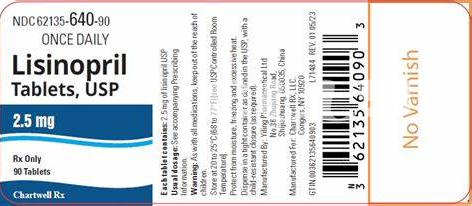
A patient story helps: a morning routine built around a single pill makes adherence far easier for many, and lisinopril’s once-daily dosing is often cited as a small but decisive win.
Other ACE inhibitors may require twice-daily schedules or food considerations, and that complexity can lead to missed doses; clinicians weigh these practical details when tailoring therapy.
Drug interactions are usually predictable — potassium supplements, NSAIDs, and certain diuretics deserve attention — but the risk profile is managed with monitoring and clear counseling to prevent unwanted effects. Occassionally a switch is needed when side effects or drug-drug concerns arise.
In real-world practice, cost, pill size, and patient preferences shape persistence: shared decision-making, refill reminders, and simple regimens boost long-term blood pressure control. Technology tools like apps, automatic refills, and outreach programs help busy patients, including elderly, commuters, and shift-workers maintain consistency daily.
Cost, Availability, and Insurance Coverage Comparisons
From pharmacy shelves to policy forms, patients often find a gap between expectation and reality when choosing medications. Generic lisinopril is widely produced, which usually lowers out-of-pocket costs and increases pharmacy stocking, but brand-name ACE inhibitors can still be favored in some clinics. Formularies and prior authorization rules shape access, so a candid discussion with your clinician and insurer will clarify which option your plan will cover and what copays might be.
Even when two ACE inhibitors seem clinically equivalent, out-of-pocket differences can matter: copay tiers, pill strength options, and mail-order discounts influence adherence. Manufacturer coupons and patient assistance programs can Acommodate low-income patients, and switching to generics is a common strategy. Teh best choice balances efficacy, side effects, and real-world affordability, so checking your plan’s formulary and asking a pharmacist can prevent surprises and help you stick with therapy.
Choosing the Right Ace Inhibitor: Practical Decision Tips
When choosing an ACE inhibitor, imagine a map of risks and benefits; providers balance prior reactions, kidney function, and comorbidities to tailor therapy. Lisinopril suits many patients due to familiarity.
Consider side effects and allergies; a dry cough or angioedema history may steer clinicians to alternatives. Dose adjustments matter, and Occassionally genetic factors influence response, especially in older frail patients.
Talk about costs, pill burden, and monitoring schedule with your clinician; shared decision making increases adherence and satisfaction. Small practical checks — lab follow ups and review of other meds — help. MedlinePlus: Lisinopril DailyMed: Lisinopril label