 Methocarbamol: Safe Usage Tips for Maximum Benefits
Understanding Methocarbamol: What It Is and How It Works
Imagine a compound medication that acts like a chill pill for your muscles—Methocarbamol is exactly that. Classified as a muscle relaxant, it's typically prescribed to alleviate discomfort associated with muscle spasms and strained tissues. Think of it as the secret sig in the script of pain relief; it works by blocking nerve impulses, or pain sensations, that travel to the brain. This smooth operator doesn’t directly heal but rather eases the tension, giving your muscles the much-needed time to calm down. Whether you’re at the begining of a treatment or on a refill too soon, understanding its mechanism is vital.
Recommended Dosages: Finding the Right Amount for You

When considering methocarbamol, finding the right dosage is crucial. The dosage often starts with a script of 1500 mg, four times daily, but your healthcare provider may adjust it based on how you respond. Pay attention to the sig to grasp the exact directions on your prescription. Finding the right balance may take a bit of trial and error, so don't let it discourage you if adjustments occur.
Imagine your dosage as a finely tuned cocktail, designed for optimal effectiveness. When adjustments are needed, it's important to work closely with your healthcare provider. Remember, everyone's body responds differently; what works for someone else may not work for you. Be persistent in reaching your ideal dosage. This patience is essential in unlocking methocarbamol's maximum benefits.
Lastly, always be alert to how your body reacts. Adjusting your dosage without professional guidance can lead to unnecessary hangovers from side effects. If you experience any significant changes—like intense drowsiness or dizziness—don't hesitate to engage your healthcare provider stat. Their insight can ensure your safety while making the most of methocarbamol's potential benefits.
Potential Side Effects: What to Watch for and Avoid
When taking methocarbamol, understanding potential side effects is crucial to ensure safe usage. While it effectively tackles muscle spasms, some individuals may experience side effects like dizziness or drowsiness. These symptoms might impede your ability to drive-thru, so caution is advised. More severe reactions, though less common, include allergic responses such as itching or swelling.
Occassionally, people may encounter short-term memory issues or upset stomachs. If you notice any unexpected reactions, it's vital to consult your healthcare provider to acommodate changes in your medication regimen. Ignoring symptoms could lead to heightened risks, especially if you're part of a cocktail of medications.
Be mindful of how this drug interacts with your unique physiology. Always adhere to the sig on your script to minimize adverse effects and maximize benefits. Stay vigilant and consult a medical professional if you experience worrying symptoms or changes in your health.
Combining with Other Medications: Safety Precautions to Consider
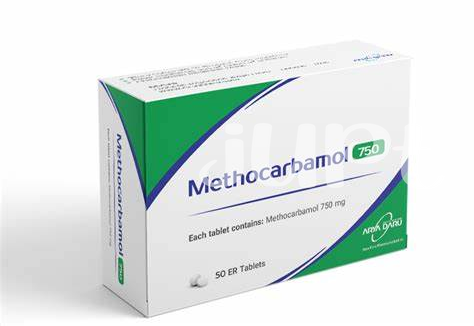
Navigating the world of medications can feel like stepping into Pharm Land, especially when you're managing multiple prescriptions. Methocarbamol, a muscle relaxant, can be effective on its own, but combining it with other meds requires careful attunement to safety. Pay close attention to the Sig on your Script and follow your healthcare provider's directions. Doing so can help avoid potential interactions that could transform healing drugs into a harmful cocktail.
When combining methocarbamol with other medications, it’s crucial to be aware of the Comp effect - how one med amplifies or diminishes the effect of another. For instance, mixing methocarbamol with CNS depressants can heighten sedative effects, leading to dangerous outcomes. Engage in a Med Rec with your healthcare provider to regularly review any changes and ensure you're on a safe path.
It's not uncommon to forget a dose, but avoid compensating with extra medication, as this could increase the risk of experiencing unwanted side effects. It's also important to note that over-the-counter (OTC) drugs aren't necessarily safe when combined with methocarbamol. Maintaining open communication with your doctor can ensure you make informed decisions.
Finally, stay vigilant for any disorienting effects, and act Stat by contacting your healthcare provider if you notice unusual symptoms. Regularly practicing safety measures in medication management can signifigantly enhance your experience with methocarbamol, maximizing benefits while minimizing risks.
Lifestyle Tips for Enhanced Effectiveness and Safety
Incorporating methocarbamol into your daily routine can offer significant relief with the right lifestyle adjustments. It's crucial to follow the sig for your script accurately; incorrect usage might lead to reduced effectiveness or unwanted side effects. Pair your methocarbamol intake with regular, light excercise to enhance muscle relaxation and overall wellbeing. Stay hydrated, consume a balanced diet, and ensure ample rest, as these factors greatly contribute to how well your body manages the medication.
Being mindful about your health can maximize methocarbamol's benefits. If your daily routine includes other meds, a monthly Meds Check is advisable to ensure optimal combinations and minimize interactions. Communicate with your healthcare provider about any Noticeable changes in your body, and maintain a detailed calender of your medication intake to track any patterns you may need to address. Consistency is key, but so is adapting to your body's responses to methocarbamol for long-term success.
Warning Signs: When to Seek Medical Advice Immediately
It's crucial to be vigilant when using methocarbamol, especially if unexpected symptoms arise. If you notice severe side effects, such as difficulty breathing, swelling, or an unusual rash, these could be red flags indicating a serious reaction. Always follow teh sig on your script and avoid any self-diagnosis or medication adjustments. An immediate consultation with a healthcare provider is vital if these signs occur.
Alongside major symptoms, other subtle hints require attention. Persistent dizziness or a decrease in alertness might seem minor but can compound and become hazardous. If these occur, don't hesitate to seek medical evaluation stat. Quick action ensures you can acommodate any necessary changes safely.