 Safe Tapering: How to Stop Omnacortil Properly
Recognize Withdrawal Signals Your Body May Send
When you reduce or stop a steroid like Omnacortil, your body can protest. You might feel profound tiredness, muscle aches, lightheadedness, nausea or diminished appetite; emotional shifts such as anxiety, low mood or irritability; or return of the underlying inflammation. Symptoms can start within days or be delayed for weeks, and they often fluctuate. Treat these cues as useful information, not weakness.
Keep a simple diary noting time, severity, and any triggers, and share it with your clinician. Watch for more dangerous signs—severe dizziness, fainting, very low blood pressure, rapid heartbeat, high fever, or sudden severe pain—that need urgent attention. If symptoms fit adrenal insufficiency or infection, seek immediate care; otherwise a gradual resumption of previous dose or a slower taper under medical guidance usually restores balance.
| Common Signal | Typical Onset |
|---|---|
| Fatigue, nausea | Days to weeks |
| Dizziness, low BP | Immediate |
Work with Your Doctor to Plan Reductions

A patient shared a steady anxiety about stopping omnacortil, and the clinician listened patiently, mapping goals and safety checks together along a clear timeline.
Expect gradual decreases, lab monitoring, and flexible pauses if symptoms arise; your doctor explains risks and mitigation clearly so you feel supported.
Bring medication lists, past reaction notes, and daily symptom logs; these details guide dosing choices and backup plans during tapering for safety.
Trust the partnership: ask questions, request written schedules, and arrange follow ups. Shared decisions reduce relapse risk and build confidence over time.
Tailor a Slow Schedule to Reduce Risks
Picture your taper as a bespoke map: your starting dose, how long you’ve used omnacortil, and prior responses all mark the route. Small, steady steps — often measured as tiny dose reductions or lengthening intervals — usually protect adrenal function better than abrupt jumps. Clinicians weigh current symptoms, lab results, and other medications to design this individualized path and timing.
Start with modest changes you and your clinician can reverse; keep a symptom diary and schedule regular check-ins. If sleep, energy, or mood worsen, slow the pace or return to the prior dose until stable. Those who’ve taken high doses long-term typically need the gentlest reductions, always emphasizing patience and clear communication throughout the process.
Monitor Symptoms and Adjust Pace Responsibly
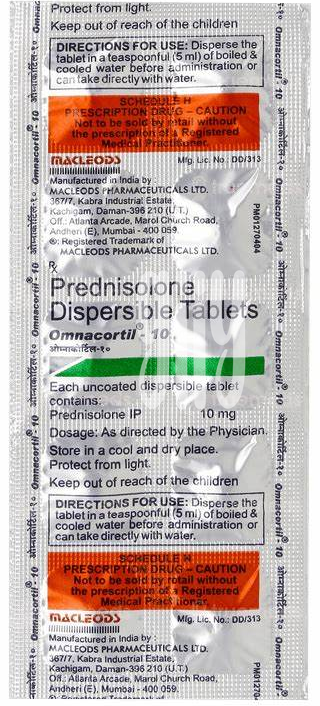
As you ease off omnacortil, track daily changes in energy, mood, appetite and sleep like a detective noting clues. Keep a simple symptom journal with dates and doses; patterns will guide safe decisions.
Share entries with your doctor at each visit so tapering speed can be adjusted. Be honest about worsening fatigue, dizziness, nausea or joint pain; these often signal that reductions are too fast and need slowing.
Monitor objective measures too: blood pressure, weight, and any lab results. Morning stiffness, salt cravings, low-grade fevers or skin changes deserve prompt discussion because they may indicate adrenal insufficiency.
If symptoms spike, pause at the last tolerated dose and contact your clinician; do not return to erratic self-adjustments. Small slower decrements, frequent check-ins, and a clear rescue plan reduce risk and build confidence during withdrawal recovery over several weeks for most patients.
Support Recovery with Diet Sleep and Exercise
Coming off omnacortil can feel like stepping into unfamiliar territory; treat your body like a travel companion that needs gentle care. Prioritize balanced meals rich in protein, healthy fats and complex carbohydrates to stabilise energy and support adrenal recovery. Include calcium and vitamin D sources to protect bone health, and maintain adequate sodium if advised by your clinician. Small, regular meals help reduce fatigue and dizziness while you taper.
Prioritize sleep: aim for consistent bedtime routines and seven to nine hours so restorative processes can mend hormonal rhythms disrupted by steroids. Gentle exercise—walking, yoga, resistance bands—keeps muscles and mood resilient but avoid sudden intense workouts. Hydration and mindful breathing reduce stress and support sleep quality. Track symptoms in a simple journal to share with your doctor; collaborating on lifestyle tweaks makes tapering safer and helps you reclaim energy and wellbeing.
| Focus | Practical Tip |
|---|---|
| Diet | Small frequent meals, protein, calcium, vitamin D |
| Sleep | Consistent schedule, wind-down routine |
| Exercise | Gentle daily movement; avoid sudden intense sessions |
Know When to Seek Immediate Medical Help
Imagine waking dizzy, trembling and unable to stand after reducing your dose — that sudden collapse or severe weakness can signal adrenal crisis. Also watch for persistent vomiting, intense abdominal pain, fainting, confusion, high fever or breathing difficulty. These are urgent red flags that need immediate attention.
Call emergency services or go to the nearest ER if these signs appear; tell clinicians you are tapering steroids and show current medication details. Prompt treatment can reverse adrenal crisis. If unsure, contact your prescribing doctor immediately for clear next steps and guidance. https://www.nhs.uk/medicines/prednisolone/ https://www.nhs.uk/conditions/adrenal-insufficiency/adrenal-crisis/