 A Deep Dive into Prograf's Mechanism of Action
Overview of Prograf: a Landmark Immunosuppressant
Prograf, also known as tacrolimus, represents a substantial advancement in the field of immunosuppressive therapy. Its primary use is to prevent organ rejection in patients who have undergone transplantation. Introduced in the early 90s, Prograf revolutionized post-transplant care by significantly increasing the survival rates of transplanted organs. The drug functions by targeting specific cellular mechanisms, ensuring the recipient’s immune system does not attack the transplanted tissue. This breakthrough has been pivotal in enhancing the quality of life for transplant patients.
| Attribute | Details |
|---|---|
| Generic Name | Tacrolimus |
| Primary Use | Prevention of organ rejection |
| Introduction | Early 1990s |
The Core Ingredient: Tacrolimus and Its Role
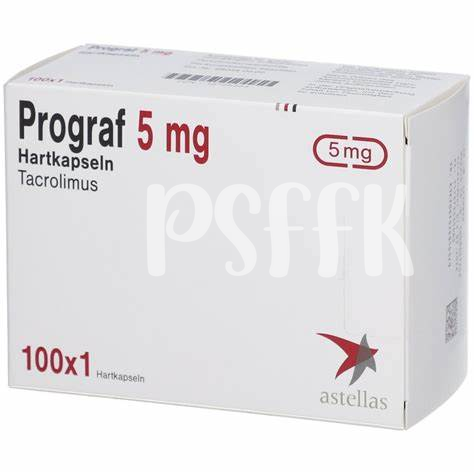
Prograf's effectiveness is rooted in its active ingredient, tacrolimus, a potent immunosuppressant. Tacrolimus, isolated from the bacterium *Streptomyces tsukubaensis*, is renowned for its ability to prevent organ rejection post-transplant. Its unique profile allows it to inhibit the body's immune responses that can lead to graft rejection. By targeting specific cellular pathways, tacrolimus minimizes the body's natural tendency to perceive the transplanted organ as a foreign invader. This precision makes Prograf indispensable in transplant medicine, offering a higher success rate and better graft survival. The careful management of tacrolimus levels is crucial to maximizing Prograf's benefits while minimizing potential side effects.
Binding with Fkbp12: a Crucial Step Explained
Prograf, known for its immunosuppressive properties, relies heavily on the binding of tacrolimus to the intracellular protein FKBP12, a critical event in its mode of action. FKBP12 (FK506-binding protein, 12 kDa) acts as a molecular chaperone, and when tacrolimus binds to it, a complex is formed. This complex formation is fundamental in inhibiting a series of intracellular signaling processes that are pivotal for lymphocyte activation.
This binding ultimately inhibits calcineurin, a phosphatase essential in activating T-cells, thus blocking the production of pivotal cytokines involved in immune responses. Through this, Prograf effectively dampens the immune system's ability to generate a robust response, an essential mechanism in preventing organ rejection post-transplant. This critical interaction underscores the precision and efficacy of Prograf in the field of transplant medicine.
Inhibition of Calcineurin: How Prograf Works
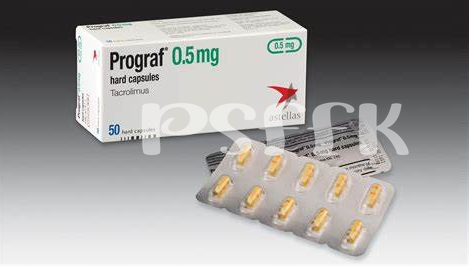
Prograf, known generically as tacrolimus, inhibits the phosphatase activity of calcineurin, effectively blocking the crucial signaling pathways that activate T-cells. When tacrolimus binds to the FKBP12 protein, it forms a complex that interacts with calcineurin, preventing it from dephosphorylating NFAT (nuclear factor of activated T-cells). This inhibition is pivotal because without dephosphorylation, NFAT cannot translocate to the nucleus to initiate the transcription of interleukin-2 and other cytokines necessary for T-cell activation.
By halting this process at an early stage, Prograf suppresses the immune system's ability to launch an attack against transplanted organs. The inhibition of calcineurin creates a cascade effect—disrupting multiple downstream signals, attenuating the immune response, and increasing graft survival rates. These molecular interruptions paved the way for Prograf to become a cornerstone in the management of transplant patients, dramatically improving outcomes in solid organ transplantation.
Cellular Pathways Impacted by Prograf's Action
Prograf intricately modulates intracellular pathways, primarily by inhibiting calcineurin, a vital phosphatase in T-cell activation. By binding to the FKBP12 protein, Prograf prevents the activation of calcineurin, consequently halting the dephosphorylation and nuclear translocation of nuclear factor of activated T-cells (NF-AT). This obstruction results in reduced transcription of interleukin-2 (IL-2) and other cytokines crucial for T-cell proliferation.
| Pathway Element | Effect of Prograf |
|---|---|
| Calcineurin | Inhibition |
| NF-AT | Decreased Activation |
| Interleukin-2 | Reduced Transcription |
Moreover, this disruption of cellular pathways diminishes T-cell-mediated immune responses, making Prograf an indispensable tool in preventing organ rejection in transplant patients. By targeting these specific pathways, Prograf ensures a controlled immune modulation, striking a balance between immunosuppression and minimizing adverse effects.
Clinical Implications: Prograf in Transplant Medicine
Prograf has revolutionized transplant medicine by significantly reducing the risk of organ rejection. Its core ingredient, tacrolimus, allows for targeted suppression of the immune response, ensuring the transplanted organ can integrate more effectively. By binding with the protein FKBP12, Prograf creates a complex that inhibits calcineurin, a phosphatase crucial for T-cell activation.
This inhibition prevents the production of cytokines like interleukin-2, which are essential for T-cell proliferation. As a result, the immune system becomes less likely to attack the new organ. This precise mechanism has led to improved long-term survival rates for kidney, liver, and heart transplant recipients.
Patients benefit not only from increased graft longevity but also from fewer complications, making Prograf a cornerstone in modern immunosuppressive therapy. Ongoing research continues to uncover new applications and optimize dosing strategies, ensuring its pivotal role in transplant success.