 Strattera Vs Stimulants: Pros and Cons
How Strattera Works: Mechanism, Benefits, Limitations
I remember the first time I learned about atomoxetine: it felt less like a burst of energy and more like a steadying hand. Rather than jolting neurotransmitters, this medication nudges norepinephrine levels gradually, helping focus return without the immediate peaks stimulants produce.
Benefits include longer symptom control, lower abuse potential, and usefulness when stimulants are contraindicated. Patients often report smoother attention and fewer appetite swings, though onset can take weeks. Its nonstimulant profile makes it attractive for those worried about sleep or heart rate spikes.
Limitations include slower effect, variable benefit across individuals, and possible side effects like nausea or rare liver concerns; careful monitoring and realistic expectations help decide if it fits a patient.
Stimulants Explained: Rapid Effects and Common Drawbacks
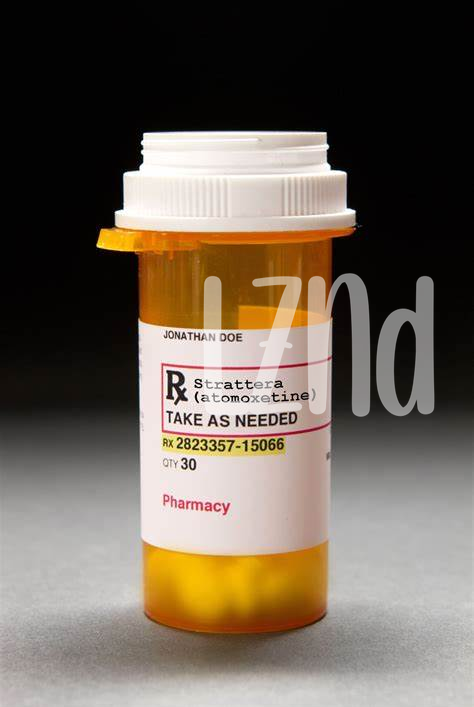
Morning felt foggy until a stimulant arrived, sharpening attention within an hour and boosting task speed while motivation surged briefly but appetite dropped noticeably.
Effects are quick and predictable, easing concentration; side effects include insomnia, jitteriness, increased heart rate and mood swings in some people, unlike strattera, however.
Because effects peak fast, tolerance and misuse risk rise; dosing demands careful titration and regular monitoring to avoid rebound symptoms often.
Clinicians weigh rapid relief against side effects and long-term concerns; some patients prefer stimulant potency while others choose alternatives like strattera.
Side Effect Showdown: Safety Profiles Compared Head-to-head
Imagine two roads to clearer attention: stimulants race ahead fast but often bring appetite loss, insomnia, increased heart rate and blood pressure, and a risk of misuse. Side effects often appear quickly, shaping adherence and daily functioning.
strattera follows a steadier path — it lacks stimulant euphoria and addiction potential, yet can cause nausea, fatigue, urinary hesitancy, sexual dysfunction and rare liver injury. Dose and individual metabolism influence severity.
Children on stimulants may show slowed growth and irritability; adults might experience anxiety or cardiovascular strain, making baseline screening and follow-up essential for both options. Shared concerns include blood pressure checks and assessing mood changes over time.
Choosing between them means weighing immediate effectiveness against long‑term tolerability, considering medical history, monitoring vitals and side effects closely, and staying ready to switch if adverse effects outweigh benefits. Consult clinicians before stopping medication.
Long-term Outcomes: Cognitive, Emotional, Dependency Risks
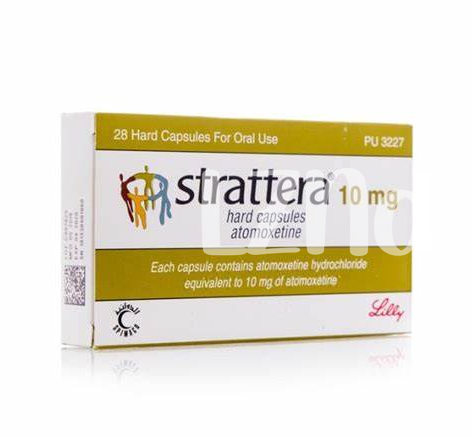
Years of therapy can reshape attention and mood; some patients describe clearer thinking on medication while others notice blunted emotions. strattera, a non-stimulant, may reduce addiction risk but can take weeks to affect cognition, so clinicians monitor progress and adjust expectations about gains in memory, focus, and motivation.
Long-term studies are mixed: some people experience enduring benefits while others face sleep disruptions, weight changes, or emotional dampening. Doctors weigh age, comorbidities, and life goals; regular reassessment helps identify dependency signs, cognitive changes, or the need to taper or switch medications.
Choosing Right Treatment: Age, Lifestyle, Medical Factors
A patient weighing options feels like an architect choosing materials; age, daily routines and health history shape the blueprint. For younger adults and those needing rapid symptom control, stimulants often provide quick gains, while older adults, people with substance‑use risk or cardiac concerns may prefer nonstimulants such as strattera. Talk openly with your clinician about sleep, work demands and anxiety.
Decisions balance benefits, side effects and practicality: onset speed, monitoring needs and personal risk tolerance. Shared decision-making, starting low, tracking response and adjusting over weeks reduces surprises. Consider pregnancy plans, cardiovascular history and access to regular follow-up; these practical factors often tip the scale toward strattera or stimulants depending on risk tolerance and daily lifestyle.
| Factor | Consideration |
|---|---|
| Age | Youth vs older |
| Medical | Cardiac, substance use |
Practical Tips: Dosing, Monitoring, When to Switch
Start low and titrate: begin with a conservative dose based on weight, increasing slowly to find balance between benefit, tolerability, and safety.
Monitor blood pressure, heart rate, appetite, sleep and growth; use rating scales and screen mood for emergent suicidal thoughts regularly.
Give an adequate trial—often six to eight weeks at a therapeutic dose—before judging benefit; if ineffective or intolerable, consult about switching options.
Keep a brief daily log of effects and side effects, time doses to reduce insomnia or appetite loss, and keep appointments. DailyMed: atomoxetine PubMed: atomoxetine research