 Proper Inhaler Technique for Symbicort Users
Understand Your Symbicort Inhaler: Identify All Parts
I remember first holding the inhaler: a small device that suddenly felt central to my daily routine. Identifying the mouthpiece, protective cap, metal canister and the dose counter helped me trust each puff. That simple act changed nebulous worry into a tangible process.
Learn the role of each part: the cap keeps the mouthpiece clean; the mouthpiece directs medication; the metal canister holds the pressurized medicine; and the counter shows how many doses remain. Notice the actuator shape and where a spacer might attach for children or those needing easier inhalation.
Understanding these visible pieces makes technique training straightforward: confirm cap closure, mouthpiece clarity, and counter function before every use. A small ritual that's neccessary and reassuring indeed.
| Part Name | Purpose Description |
|---|---|
| Mouthpiece | Directs metered dose into the mouth for inhalation |
| Counter | Displays how many doses remain to plan refills |
Preparing and Priming Your Inhaler before Use
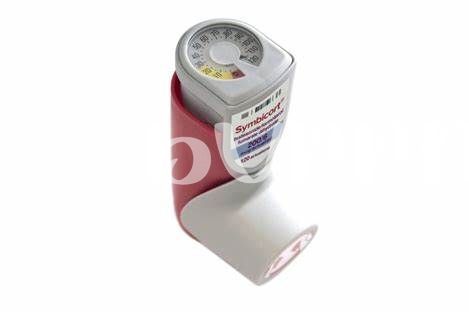
Begin: check for damage, remove the cap, and confirm the dose counter. If the symbicort inhaler is new or hasn't been used this week, priming should be done first properly.
For a canister device, shake well and release two test sprays away from your face. For a powder device, follow the twist or load motion exactly as instructed, and observe.
Teh practise priming calmly, stand tall, and release test doses until spray appears consistent. If doses seem weak, repeat priming and consult your pharmacist for replacement or advice right away.
Master Proper Breathing Steps for Reliable Dose
I remember the first time my breathing calmed after learning the inhale routine: a slow exhale, firm seal around the mouthpiece, then a steady deep breath in as I pressed the canister. Knowing each motion increased confidence that the symbicort inhaler delivered what I needed.
Start by fully exhaling away from the device, form a tight lip seal, breathe in slowly and deeply while actuating once, then hold your breath for about ten seconds before exhaling gently. Wait at least thirty seconds between puffs and rinse your mouth afterwards.
Practice these steps calmly; Teh small pauses and steady breaths improve dose delivery. If you have trouble, ask a clinician for a spacer demo or coaching.
Avoid Common Errors That Reduce Medication Delivery
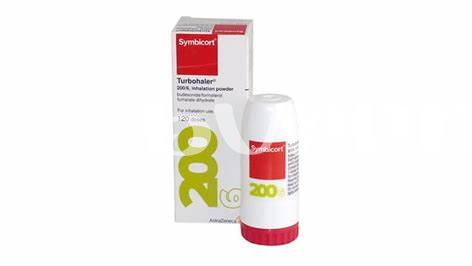
Maria grabbed her symbicort inhaler during a sudden wheeze, expecting quick relief. Teh relief didn't come, and she realized that small habits — hurried inhalations, exhaling into the device, or skipping priming — can rob medication of its effect.
Frequent errors include failing to shake the canister, poor coordination between actuation and inhalation, inhaling too rapidly, not holding breath, and using a clogged or expired device. Using a spacer often helps with timing and lung deposition.
Check dose counters, follow the manufacturer's maintenence instructions, and clean the mouthpiece regularly. Practise technique with your clinician until you feel confident. If breathlessness persists despite correct use, ask for a technique review and medication reassessment without delay today.
Cleaning, Storage, and Maintenance for Optimal Performance
Everyday care makes your symbicort inhaler dependable. Wipe the mouthpiece weekly with a dry cloth, clearing dust or lint. Inspect the canister fit and dose counter before use.
Avoid soaking the actuator or using solvents; moisture can block spray. Store at room temperature away from heat and sunlight, and keep caps on.
If performance seems reduced, test a practice spray into air and inspect the plume; if weak, contact your pharmacist promptly. Routine maintenence preserves dose accuracy and breath relief for sudden flare ups or worry.
| Item | Frequency |
|---|---|
| Mouthpiece | Weekly |
When to Seek Help: Troubleshooting and Follow-up
Picture a sudden wheeze when you need relief: if the inhaler fails to spray, the counter freezes, or taste and spray feel odd, pause and inspect for damage or blockage.
Minor faults may be fixed at home: rinse the mouthpiece, prime and test spray away from the face. If symptoms persist or rescue inhaler use rises, seek prompt clinician review.
Keep regular follow-up to check technique, dose counters, and side effects; tell your provider about thrush, hoarseness, or worsening control. Neccessary device swaps or extra training often help quickly too. NHS: Symbicort information FDA prescribing information for Symbicort