 Spotting Ventolin Shortages and Alternatives
Recognizing Early Signs of Ventolin Shortage Locally
On a rainy Tuesday I noticed the pharmacy shelf with fewer asthma inhalers than usual; subtle hush among customers and the pharmacist’s cautious tone hinted at a supply strain unfolding across nearby clinics, neighborhood stores.
They began posting temporary purchase limits, and automated voicemail warnings updated stock status; behind the counter employees swapped knowing glances while ordering more quickly, signaling professionals were bracing for reduced shipments in the coming weeks.
Neighbors started anxiously buying extra inhalers, requesting early refills, and sharing tips in local groups; pharmacies logged sudden spikes in single-customer purchases, a quantitative clue that demand was outpacing routine supply and distribution cycles now.
When you sense these signs, call ahead before visiting, check pharmacy social feeds, conserve doses and speak with your clinician about alternatives; early communication often prevents panic and helps local pharmacists manage scarce supplies responsibly.
| Indicator | What to watch for |
|---|---|
| Stock levels | Empty or thin shelves |
| Purchase policies | Limits or rationing |
| Customer behavior | Bulk or early refills |
How Pharmacies and Suppliers Signal Running Low
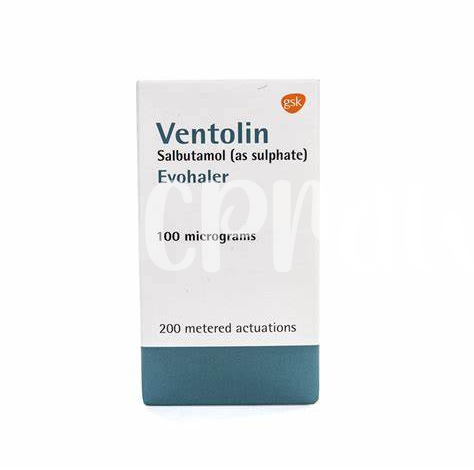
A regular customer noticed the usual shelf gap where ventolin lived; a clerk’s apology hinted at deeper scarcity.
Pharmacies post small notices, change order frequencies, or mark reduced stock on their systems — subtle signals that suppliers are strained.
Distributors may delay shipments, issue allocation emails, or adjust delivery schedules; pharmacists often share this information when advising on refills.
Watching these cues helps patients plan, ask about alternatives, and avoid panicked searches when inhalers become hard to find, and consult pharmacists early for substitution, delivery options, or dose adjustments urgently.
Patient Behaviors That Hint at Impending Scarcity
In clinic queues and at pharmacy counters you can spot subtle shifts: people asking pharmacists about supply dates, requesting early refills, or buying extra inhalers “just in case.” A sudden rise in callers asking about ventolin availability or bringing multiple inhalers to the desk often precedes real shortages.
Other behaviors include rationing doses, skipping maintenance inhalers to save rescue puffs, or sharing devices with family members — risky choices driven by fear. Patients who begin visiting several pharmacies, searching online marketplaces, or joining social threads about shortages are casting clear warning signals.
Clinicians and pharmacists should take reports of these behaviors seriously, using them to check stock levels and counsel patients on safe management, substitution options, and when to avoid unsafe practices like sharing or altering doses. Early alerts let clinics coordinate alternatives and inform vulnerable patients promptly and proactively.
Safe Prescription Strategies to Conserve Inhaler Supplies
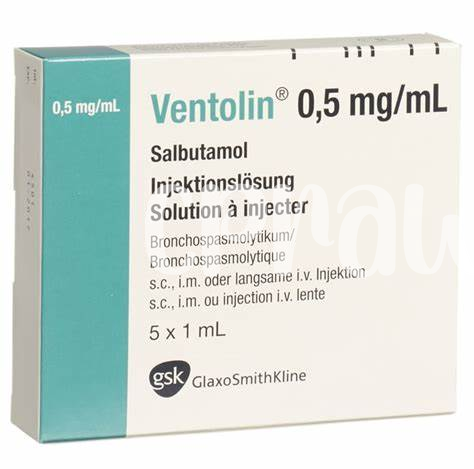
At the clinic she explained that her ventolin canister felt lighter, so the clinician took a minute to review inhaler technique and daily triggers. Simple adjustments — adding a spacer, confirming inhalation timing, and switching to once-daily controller therapy where appropriate — can reduce reliance on rescue puffs. Doctors can also stagger refill dates, write short-term emergency supplies only for high-risk patients, and check dose counters to avoid premature replacement.
Pharmacists play a role, flagging frequent requests and proposing generic short-acting beta-agonists when appropriate; clinicians should resist routine multiple-canister prescriptions and instead prioritize patients with recent exacerbations. Written action plans help patients recognize when to escalate care versus conserve puffs. When shortages loom, targeted education on trigger avoidance and adherence to inhaled steroids often reduces ventolin dependence, preserving limited stocks for true emergencies while maintaining symptom control and regular follow-up checks.
Over-the-counter and Prescription Ventolin Alternatives Explained
On a busy afternoon I reached for a familiar blue inhaler and felt the brief calm it brings; when ventolin is scarce, knowing alternatives eases anxiety. Low-dose steroid inhalers and anticholinergic devices may be suggested by clinicians depending on symptoms and age.
Over-the-counter bronchodilator options are limited, but spacer devices and proper inhaler technique can improve delivery from remaining doses. Oral medications like short courses of prednisone are prescription-only, while nebulized bronchodilators require medical guidance rather than pharmacy self-selection.
Discussing substitutions with your provider ensures safety: they’ll weigh triggers, severity, and interaction risks, and may recommend temporary regimens or referral to urgent care if rescue options are inadequate while monitoring peak flow and symptoms closely.
| Alternative | Type | Notes |
|---|---|---|
| Short-acting beta agonist (salbutamol) | Prescription | Equivalent reliever to ventolin |
| Inhaled corticosteroid | Prescription | Reduces inflammation; not immediate relief |
| Spacer device | OTC accessory | Improves delivery from existing inhalers |
When to Seek Medical Advice or Emergency Care
When breathlessness rapidly worsens or your inhaler stops helping, act quickly. Difficulty speaking whole sentences, fast worsening symptoms, or pale blue lips signal serious trouble. Seek immediate care now urgently.
Use your rescue inhaler as prescribed, usually repeated puffs spaced per guidelines, but if relief is fleeting or you need more doses than normal, contact a clinician without delay immediately.
Also watch for reduced response over hours or days, as this suggests poor control or ineffective medication. Your provider can adjust therapy, check technique, or recommend alternatives promptly and safely.
If symptoms threaten life, severe breathlessness, fainting, confusion, or a fall in consciousness, call emergency services immediately; do not wait to see if it improves. NHS — Asthma treatments CDC — Asthma treatment