 Vermox Dosing Guide: Adults and Children
How the Anthelmintic Works and Why It Matters
By binding parasite beta-tubulin and disrupting microtubule formation, mebendazole prevents glucose uptake, depleting energy stores and immobilizing worms so they die and are expelled. Imagine cutting the worms’ power cables: movement stops and they can no longer cling or reproduce.
This targeted action matters because short, low-dose courses clear common intestinal helminths, relieving anemia, malnutrition, and discomfort while reducing community transmission. Understanding the drug’s mode helps clinicians choose combinations, anticipate side effects, and monitor for emerging resistance, improving outcomes for both individual patients and public health, ultimately ensuring safer prescribing.
| Action | Effect |
|---|---|
| Microtubule disruption | Impaired glucose uptake |
Standard Adult Treatment Schedules and Practical Variations
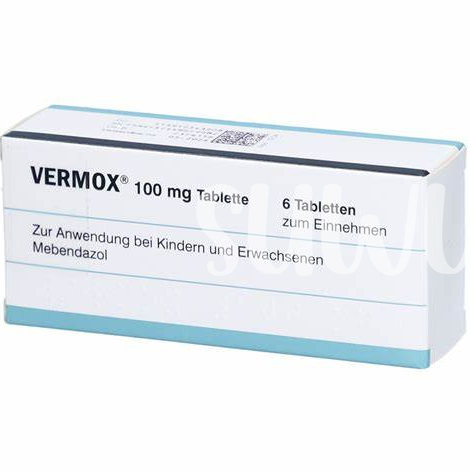
Clinicians often begin with evidence-based regimens, adjusting duration by infection severity and local resistance patterns while explaining expected outcomes clearly to patients regularly.
A common option is vermox, usually dosed as a single administration or over a few days depending on organism and clinical judgment.
Practical variations include repeat dosing for reinfection, adjustments for weight or comorbidity, and treating contacts to reduce spread in line with guidance.
Shared decision-making helps select shorter or extended courses; clinicians weigh risks, comedications, and monitoring needs, documenting rationale and follow-up clearly for individual patients.
Pediatric Recommendations Based on Age and Weight
Parents often face a nervous moment before giving medication, and choices depend on age and weight. For many intestinal worms, vermox is available as a chewable tablet or oral suspension, making administration easier for small children.
For children aged two years and older the most common approach for pinworm is a single 100 mg dose, often repeated once in two weeks to interrupt transmission. Caregivers should follow the product label and local guidelines.
Infants and toddlers under two, or those with very low body weight, require pediatrician assessment; providers may use weight-based dosing, different formulations, or alternative agents depending on the specific parasite and clinical status.
Always weigh a child accurately, treat household contacts when recommended, and confirm dosing with a clinician. Monitor closely for adverse reactions and seek advice if vomiting or persistent symptoms occur, and ensure adequate hydration.
Special Situations: Pregnancy, Breastfeeding, and Comorbidities
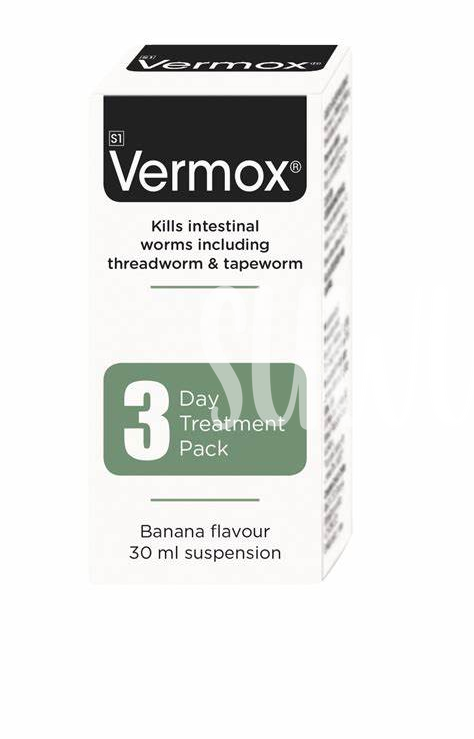
During pregnancy, vermox is generally avoided, especially in the first trimester; treatment is reserved for confirmed need after specialist assessment, balancing maternal benefit against potential fetal risk.
While breastfeeding, low breast milk excretion makes vermox often compatible, yet clinicians recommend consultation before use; observe the infant for gastrointestinal symptoms and pause feeding if unexpected concerns arise.
Comorbidities such as significant hepatic impairment, malnutrition, or immunosuppression can alter drug handling; dose adjustments, alternative agents, or monitoring may be necessary, so involve specialists and review concomitant medications before prescribing and arrange follow-up.
Common Side Effects, Interactions, and Management Strategies
When prescribing vermox, patients often ask what to expect. Mild gastrointestinal symptoms—nausea, abdominal pain, diarrhea—are most common and usually resolve without stopping therapy. Rarely, headaches or dizziness occur; reassure patients and advise reporting severe or persistent problems.
Vermox can interact with some medications and conditions; check for liver disease and current drugs, especially anticonvulsants and cimetidine. For polypharmacy, review drug lists and consult pharmacists. Emphasize avoiding alcohol and monitoring liver enzymes when indicated.
Practical management focuses on symptom relief, dose review and follow-up; antihistamines or simple analgesics can help, while severe reactions require discontinuation and medical evaluation.
| Issue | Action |
|---|---|
| Nausea | Take with food; sip fluids |
| Rash or itching | Discontinue; seek care; consider antihistamine |
| Abnormal liver tests | Stop drug; check LFTs; consult physician |
| Severe neurologic symptoms | Discontinue immediately; urgent evaluation and specialist referral |
| Drug interactions | Review meds; adjust doses as needed |
Safe Administration Practices, Missed Dose Protocols, Monitoring
Treating parasitic infections works best when the medication is taken exactly as prescribed. Take tablets with or without food as directed, swallow whole, and keep to the dosing interval your clinician set. For repeated household dosing, synchronize schedules to reduce reinfection.
If a dose is missed, take it as soon as you remember unless the next dose is imminent; never double up. For single-dose regimens common in enterobiasis, delayed doses reduce effectiveness, so reschedule promptly with your provider.
During therapy, track symptoms and report persistent abdominal pain, fever, or unusual bruising. For extended or repeated courses, clinicians may order blood tests or stool exams to confirm cure and monitor liver enzymes.
Keep records. CDC MedlinePlus