 Wellbutrin Vs Ssris: Differences, Benefits, Risks
How Wellbutrin Works Compared to Ssris
I used to think antidepressants were all the same until a clinician explained how different mechanisms shape effects. Wellbutrin boosts dopamine and norepinephrine by inhibiting their reuptake, which can lift motivation and concentration more quickly for some people. SSRIs primarily increase serotonin by blocking its reabsorption, calming anxiety and stabilizing mood but sometimes blunting drive.
That difference explains why Wellbutrin may energize and improve focus with less sexual side effects, while SSRIs often reduce anxiety and obsessive thinking but more commonly cause sexual dysfunction and emotional numbing. Choosing between them involves weighing symptom profile, side effect priorities, medical history and potential interactions rather than assuming one class fits everyone. Discuss options openly with your clinician.
| Agent | Primary Neurotransmitter |
|---|---|
| Wellbutrin | Dopamine & Norepinephrine |
| SSRIs | Serotonin |
Common Side Effects: Wellbutrin Versus Ssris

Patients often notice different signatures: wellbutrin is stimulating—more likely to cause insomnia, dry mouth, tremor and a rare risk of seizures at high doses—while SSRIs more commonly trigger nausea, diarrhea, weight change, sleepiness and significant sexual dysfunction. Both classes can provoke anxiety or agitation early in treatment, but sexual side effects and emotional blunting are particularly associated with SSRIs.
Decisions hinge on personal priorities: if energy and sexual function matter, clinicians may favor wellbutrin; if anxiety or obsessive symptoms predominate, an SSRI might be better. Regular follow-up helps catch weight, sleep, mood changes, severe agitation or suicidal thoughts. Never stop suddenly; any concerning effects should prompt discussion and careful adjustment with your prescriber and monitoring.
Benefits Beyond Depression: Energy, Focus, Sexual Function
Many patients describe waking up with more drive after starting wellbutrin, noticing clearer thinking and concentration. Unlike typical SSRIs that can blunt motivation, this medication's dopaminergic and noradrenergic effects often restore energy, making daily tasks feel more manageable and improving engagement with work or hobbies.
Sexual side effects are a common reason patients switch medications. SSRIs frequently reduce libido and delay orgasm, whereas wellbutrin is less likely to cause these problems and may even improve sexual desire and arousal. Clinicians combine therapies to balance mood benefits and preserve sexual functioning.
Who Should Avoid Each Drug: Contraindications and Precautions
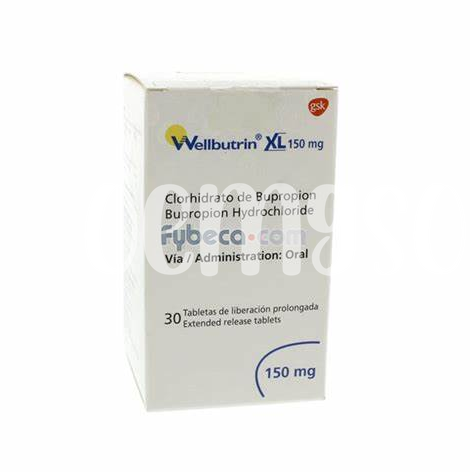
Imagine a patient weighing risks before treatment. A history of bipolar disorder, uncontrolled mania, or recent MAOI use makes many SSRIs a poor choice.
Seizure disorders, eating disorders, or heavy stimulant use increase danger with wellbutrin, so clinicians avoid it when seizure threshold is low.
Pregnancy and breastfeeding need careful discussion: some SSRIs have safer data, while other agents may be favored depending on risks.
Drug interactions, liver or kidney impairment, and individual side effect profiles guide choice; shared decision making ensures personalized safety and regular monitoring when clinically appropriate.
Withdrawal, Discontinuation Symptoms and Tapering Strategies
Stopping antidepressants can feel like closing a book mid-chapter; some people experience a jolt while others drift away smoothly. wellbutrin tends to cause fewer classic SSRI-like symptoms, but individuals vary. Expect planning, conversation with your prescriber, and a mindful approach to reduce surprises.
Common effects include dizziness, brain zaps, sleep disturbance, mood swings and flu-like sensations; these can begin within days of dose reduction and last weeks. Severity depends on drug half-life, dose and duration. Abrupt cessation raises risk; gradual change lowers it.
Work with your clinician to design an individualized taper: slow, steady dose reductions reduce symptoms, sometimes switching to a longer‑half‑life antidepressant eases transition. Monitor mood, sleep and suicidality; keep open communication and a contingency plan so setbacks can be addressed quickly and safely. Bring a support person if possible.
| Strategy | Typical duration |
|---|---|
| Gradual taper | Weeks to months |
Choosing Treatment: Personal Factors, Efficacy, Drug Interactions
Deciding which antidepressant fits you starts with a clear picture of symptoms, medical history, and lifestyle. Discuss prior responses to medications, comorbid conditions, and tolerance for side effects with your clinician.
Efficacy varies: some people respond faster or more fully to certain classes. Consider onset speed, relapse prevention data, and objective scales versus subjective improvement when weighing options.
Drug interactions shape safety: review current prescriptions, supplements, and alcohol use. Pharmacogenetic testing and pharmacist consultation can reduce risks and personalize dosing for better outcomes and reassess progress during scheduled follow-up visits.