 Zanaflex Vs Baclofen: Which Muscle Relaxant Works Better?
Mechanisms Explained: How Zanaflex and Baclofen Work
In the clinic the contrast is striking: two drugs that both relax muscles but do it with different chemistry and choreography.
Zanaflex (tizanidine) acts primarily as an alpha‑2 adrenergic agonist in the spinal cord, dampening excitatory interneuron output and reducing spastic reflexes by limiting norepinephrine release.
Baclofen targets GABA‑B receptors, increasing inhibitory signaling on motor neurons and suppressing synaptic transmission; that direct GABAergic mimicry tends to blunt reflex arcs efficiently.
Clinically this means Zanaflex can reduce spasm burst firing via presynaptic modulation while baclofen provides broader postsynaptic inhibition of motor output — both curtail hyperexcitability but via distinct receptors and sites of action. Understanding these pathways guides drug choice and dosing for individual patients in practice.
| Tizanidine | Baclofen |
|---|---|
| Alpha-2 agonist | GABA-B agonist |
Effectiveness: Which Relieves Muscle Spasms Faster?
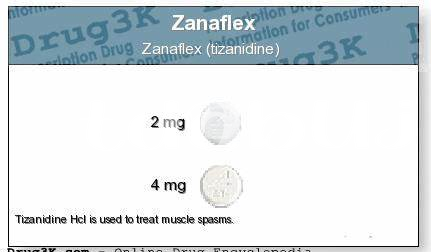
When a sudden cramp strikes, speed matters. Many patients notice zanaflex produces quicker relief because tizanidine’s central alpha 2 agonist effect reduces excitatory transmission rapidly and often peaks within an hour. That brisk onset can make it the go to for acute distressing spasms.
Baclofen acts through GABA B receptors and may take a bit longer to reach full effect but often gives steadier longer lasting tone reduction. Individual response varies, so clinicians balance rapid onset against duration and side effects and use careful titration to find the best option.
Side Effects Showdown: Tolerability and Risks Compared
Both medications can make you feel sleepy or unsteady, but they do so in subtly different ways. Zanaflex often causes pronounced sedation, dry mouth and blood-pressure drops; liver enzymes may rise, so periodic liver testing is advised. Baclofen tends to produce drowsiness and muscle weakness more than dry mouth, and is cleared by the kidneys, so doses should be reduced in renal impairment. Both impair coordination and increase fall risk, especially in older adults.
Serious problems are uncommon but important: abrupt baclofen withdrawal can trigger agitation, hallucinations or seizures, while zanaflex overdose may worsen hypotension and excessive sedation. Both interact dangerously with alcohol, opioids and other CNS depressants. Practical steps include starting low, titrating slowly, avoiding driving until you know effects, and discussing other medications and medical history with your prescriber so dosing and monitoring—like kidney or liver tests—are individualized.
Dosing Differences: How to Use Safely and Effectively

Beginning treatment often feels like navigating a map: clinicians commonly start zanaflex at 2 mg at night, then increase to 2 to 4 mg every 6 to 8 hours as needed, usually keeping the total under 36 mg daily. Baclofen typically starts at 5 mg three times daily, with gradual increases toward an effective range often between 20 and 80 mg per day divided across doses.
Adjust baclofen for renal impairment and zanaflex for hepatic issues; both need slow tapering to avoid withdrawal, and monitor sedation closely. Check liver enzymes.
Drug Interactions and Contraindications to Watch for
Clinicians and patients often weigh interaction risks when choosing between zanaflex and baclofen, because combining central nervous system depressants magnifies drowsiness and breathing depression. Care is needed with opioids, benzodiazepines, antihistamines and alcohol; impaired clearance in liver disease raises exposure. Also watch renal impairment for drug accumulation and adjust dosing or avoid use when severe dysfunction exists and monitor closely.
Contraindications include hypersensitivity; baclofen may be inappropriate with certain spinal cord lesions and zanaflex should be avoided in uncontrolled hypotension. Pregnancy, breastfeeding, and pediatric or elderly vulnerabilities require individualized risk-benefit discussion and often lower starting doses or alternative therapies recommended.
| Interaction | Advice |
|---|---|
| Opioids | Avoid or reduce dose |
| CNS depressants | Increase sedation risk |
| Alcohol | Avoid use |
Choosing between Them: Patient Factors and Practical Tips
When deciding between tizanidine and baclofen, consider the condition’s severity, patient age, and tolerance for sedation. Tizanidine often suits focal spasticity with shorter duration and quicker onset, while baclofen can be better for generalized spasticity and has stronger evidence in spinal cord injury. Discuss activity goals — mobility, pain relief, or sleep — as they guide choice.
Assess comorbidities: hepatic impairment favors avoiding tizanidine because of liver metabolism, whereas Baclofen requires caution in renal impairment. Also weigh prior response, concomitant medications that interact via CYP1A2 (tizanidine) or CNS depressants, and risk of withdrawal. Mental health, alcohol use, and employment needs also affect selection.
Start low and titrate slowly, monitor for sedation, hypotension, and functional improvement, and involve patients in decisions about daytime functioning versus nighttime relief, with follow-up. For prescribing details and official labeling, see DailyMed: tizanidine and PubMed: tizanidine