 Zocor Interactions: Drugs and Foods to Avoid
Common Medications That Dangerously Amplify Statin Levels
Imagine getting a second pill that should help, but instead magnifies side effects. Many commonly prescribed drugs inhibit enzymes or transporters that clear statins, sending blood levels dangerously high. Macrolide antibiotics and azole antifungals blunt CYP3A4, while protease inhibitors and some calcium‑channel blockers reduce metabolism. Amiodarone, cyclosporine and fibrates also interfere and raise muscle toxicity risk.
Before adding any new medication, tell your clinician and pharmacist about current statin use so they can adjust dosing or choose safer alternatives. Some combinations require temporary pauses, different statins, or close monitoring with blood tests. Awareness prevents rare but serious outcomes like severe muscle breakdown and kidney injury — prompt reporting of unexplained pain or weakness is essential immediately.
| Drug group | Interaction effect |
|---|---|
| Macrolide antibiotics, azole antifungals | Inhibit CYP3A4 — increase statin levels |
| Protease inhibitors, amiodarone, cyclosporine | Reduce metabolism/transport — raise toxicity risk |
| Gemfibrozil and some fibrates | Impaired clearance — higher myopathy risk |
Antibiotics and Antifungals Hiding High-risk Drug Pairs
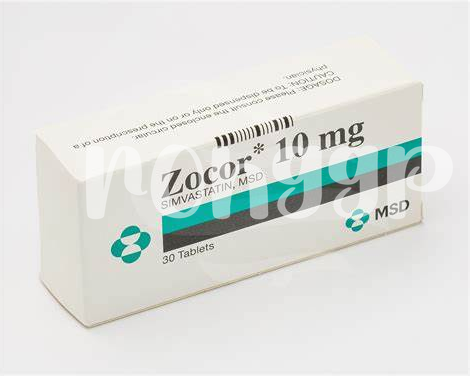
A patient once mixed a common antibiotic with zocor and later reported unusual muscle fatigue; real cases highlight how certain drugs quietly raise statin levels and amplify side effects unexpectedly.
Macrolides like clarithromycin and azoles such as ketoconazole inhibit enzymes that metabolize statins, increasing toxicity risk; clinicians often avoid combining these agents or adjust doses carefully to protect patient safety.
If you start antibiotics or antifungals while on zocor, tell your doctor immediately; monitoring, blood tests, and stopping the statin when advised can prevent severe muscle injury and kidney damage.
Heart and Blood Pressure Medicines Raising Muscle Risk
A patient I knew began feeling unexplained fatigue and tightness after his doctor added a calcium channel blocker to control blood pressure. He was already taking zocor for cholesterol.
Certain cardiac and antihypertensive drugs can interact with statins, raising blood levels and increasing the chance of muscle injury. Combining treatments may be convenient but requires careful monitoring. Older adults and those with kidney problems are at higher risk. Dose adjustments or alternative lipid-lowering strategies may be recommended.
If you notice muscle pain, dark urine, or weakness, stop and seek medical advice promptly—tests can check creatine kinase and adjust therapy to protect you. Carry an updated drug list and ask clinicians about interactions before new meds.
Grapefruit and Citrus Juices Escalating Statin Toxicity Risks
A single breakfast habit can change treatment safety: grapefruit juice blocks CYP3A4, the enzyme that metabolizes many statins, allowing drug levels to climb. Patients taking zocor may unknowingly increase their risk of muscle damage and liver strain, even from occasional servings.
Talk to your clinician about avoiding certain citrus or timing doses; even a pharmacist can suggest safe substitutes or monitoring. If you notice unexplained muscle pain, weakness, or dark urine, stop the statin and seek medical evaluation promptly—early action prevents severe complications. Blood tests can track levels and safety.
Herbal Supplements and Otc Products That Interfere
I used to trust every natural remedy until an elder relative’s fatigue after starting zocor taught me otherwise.
Many herbal products and over-the-counter items can alter liver enzymes or compete with metabolism, raising statin levels and muscle risk.
St. John’s wort may reduce statin effectiveness, while high-dose niacin, red yeast rice, and certain weight-loss supplements can unpredictably boost toxicity; always check labels and ask your pharmacist.
If you take zocor, report new muscle pain, dark urine or unexplained weakness without delay; a small table below lists common culprits for quick reference.
| Product | Concern |
|---|---|
| Red yeast rice | raises statin levels significantly |
| St. John’s wort | alters metabolism |
| Niacin (high-dose) | can increase toxicity |
| Herbal weight-loss | unknown interactions, avoid |
Recognizing Muscle Damage Symptoms and When to Seek Help
Imagine waking with deep, unexplained muscle aches after starting a cholesterol pill: everyday tasks feel heavy, and weakness creeps in. That subtle change is often the first warning sign many people miss.
Watch for severe muscle pain or marked weakness, especially if accompanied by dark urine, fever, or confusion. These symptoms can indicate dangerous muscle breakdown (rhabdomyolysis) requiring prompt medical evaluation.
If signs are alarming, stop the drug and contact your clinician or visit the emergency department. Creatine kinase and kidney tests help confirm injury and guide timely appropriate treatment.