 Zyprexa Withdrawal: What to Expect
Recognizing Early Symptoms of Zyprexa Withdrawal
I remember the first restless night: muscles twitching, thoughts racing, and a cold sweat I couldn't explain. I felt disoriented, like the ground shifted under me.
Early signs often arrive within days to weeks after dose reduction and can include insomnia, nausea, dizziness, tremors, and increased anxiety. Some people also report sweating, headaches, and digestive upset that mimic a viral illness.
Emotional shifts are common: irritability, mood swings, low motivation, or sudden tearfulness may appear before physical complaints. Sleep disruption often contributes to concentration problems, making daily tasks harder and heightening worry.
If symptoms intensify or psychosis-like experiences return, seek medical advice promptly; tracking onset and severity helps clinicians tailor a safer taper plan quickly.
| Symptom | Typical onset |
|---|---|
| Insomnia | Days |
| Tremors | Days–weeks |
| Anxiety/Irritability | Days |
Common Physical Effects during Zyprexa Withdrawal
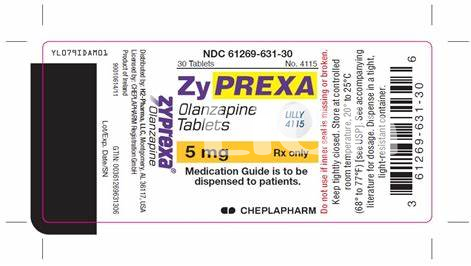
Imagine waking the first week after stopping zyprexa, when tremors, sweating, and nausea arrive like unwelcome guests. Energy may dip and muscles ache; some people report dizziness or blurred vision. These symptoms are distressing but often time-limited, reflecting the body adjusting to chemical changes.
Talk with your clinician about pacing the taper and treating insomnia or gastrointestinal upset; simple measures like hydration, light exercise, and steady meals can help. If palpitations or severe neurological signs appear, seek immediate care—early support reduces risk, speeds recovery, and restores daily functioning quickly, consistently.
Safe Tapering Strategies and Importance of Medical Supervision
Stopping zyprexa abruptly can feel like stepping into fog; gentle, planned reductions under a doctor's guidance let you keep landmarks in sight. Work with a psychiatrist to set a personalized schedule, monitor symptoms, and adjust pacing. Slow decreases reduce rebound insomnia, nausea, and mood swings, and give clinicians time to suggest temporary medications or supportive measures.
Regular follow-ups, basic labs, and a crisis plan make the process safer and less isolating. Involving family or a trusted friend during appointments helps with adherence and early warning signs, while keeping expectations realistic reduces panic if setbacks occur. With professional oversight, many people complete discontinuation successfully and retain gains from therapy and lifestyle changes and rebuild resilience gradually.
Managing Cravings, Sleep Problems, and Anxiety

When zyprexa is reduced, cravings can surge and nights may feel endless; acknowledging these reactions is the first step. Track triggers, practice deep breathing, and use grounding techniques to interrupt panic and reduce urges. Keeping a journal and staying hydrated, plus gentle exercise, calms the body and sharpens awareness.
Establish a calming bedtime routine, limit screens, and consider short-term sleep aids under professional guidance. Therapy, peer support, and tailored coping plans help reframe anxious thoughts and prevent relapse, turning a tough transition into manageable progress and renewed confidence daily growth.
Support Resources: Therapy, Peer Groups, and Hotlines
After stopping zyprexa, many people find emotional and practical help essential. Professional counseling can offer tailored coping strategies, medication review and relapse monitoring, while peer-led meetings normalize the experience and reduce isolation. Crisis lines and 24/7 chat services provide immediate support during intense moments when you need someone to listen.
| Service | Why it helps |
|---|---|
| Counseling | Individual plans and safety monitoring |
| Peer groups | Shared experience and practical tips |
| Hotlines | Immediate crisis support |
Create a simple plan: list contacts, schedule regular therapy check-ins, and try community groups for shared coping skills. If you experience setbacks, call a crisis line or reach out to a clinician immediately. Long-term recovery often combines professional care, peer encouragement and self-care routines like sleep hygiene and gentle exercise—building resilience one small step at a time. Keep family or friends informed and ask for help during rough days.
Relapse Prevention and Long-term Recovery Planning
Recovery becomes a daily map rather than a destination; plan concrete steps to recognize and interrupt returning patterns early. Schedule regular medical reviews, keep a brief relapse plan with clear warning signs, and set medication check-ins so dosing or alternatives are addressed before crises escalate. Document early shifts and communicate them immediately to your provider or support network today.
Pair clinical oversight with routines that stabilize mood: sleep hygiene, gentle exercise, and regular social contact. Build a support team, including clinician, therapist, and peers, and rehearse responses to triggers so cravings or anxiety meet a practiced action. Small, rehearsed steps reduce shock when setbacks occur and make sustained improvement realistic. NCBI StatPearls: Olanzapine NHS: Olanzapine